---
title: Aggression in Dogs — The Complete Guide | Koru K9
description: Learn the root causes, types, and rehabilitation steps for dog aggression in Koru K9's complete guide. Master proven, balanced behavior solutions today.
---
★★★★★ 4.9 from 1,200+ client reviews
Balanced dog training since 2013 · Serving 7 states across the US
Call us: [415-583-5412](tel:4155835412)
[](https://www.koruk9.com/)
[Services ▾](https://www.koruk9.com/dog-training-services) [All Services](https://www.koruk9.com/dog-training-services) [Board & Train](https://www.koruk9.com/dog-training-services/board-train) [In-Home Training](https://www.koruk9.com/dog-training-services/private-in-home-training) [Hybrid Training](https://www.koruk9.com/dog-training-services/hybrid-training) [Puppy Training](https://www.koruk9.com/dog-training-services/puppy-training) [LunaDog AI — Online](https://www.koruk9.com/lunadogai-dog-training-app) [Locations ▾](https://www.koruk9.com/dog-trainer-locations) [All Locations](https://www.koruk9.com/dog-trainer-locations) [California](https://www.koruk9.com/dog-trainer-locations/california) [Washington](https://www.koruk9.com/dog-trainer-locations/washington) [Oregon](https://www.koruk9.com/dog-trainer-locations/oregon) [Colorado](https://www.koruk9.com/dog-trainer-locations/colorado) [Texas](https://www.koruk9.com/dog-trainer-locations/texas) [South Carolina](https://www.koruk9.com/dog-trainer-locations/south-carolina) [North Carolina](https://www.koruk9.com/dog-trainer-locations/north-carolina) [Guides](https://www.koruk9.com/guides) [About ▾](https://www.koruk9.com/about-us) [About Us](https://www.koruk9.com/about-us) [Our Method](https://www.koruk9.com/about-us/our-method) [Our Team](https://www.koruk9.com/about-us/our-team) [Testimonials](https://www.koruk9.com/about-us/testimonials) [FAQs](https://www.koruk9.com/about-us/faqs) [Careers](https://www.koruk9.com/careers) [Contact](https://www.koruk9.com/contact-us) [Blog](https://www.koruk9.com/blog) [Trainer School](https://www.koruk9.com/become-a-trainer)
[415-583-5412](tel:4155835412) [Book a Consultation](https://www.koruk9.com/contact-us)
[Home](https://www.koruk9.com/)› [Guides](https://www.koruk9.com/guides)› Aggression
Behavior guide
# Aggression in Dogs: Causes, Types & Real Rehabilitation
By **Koru K9 Training Team**·6 min read
#### In this guide
[What is dog aggression?](https://www.koruk9.com/aggressive-dog-training-guide#quick-answer) [What Aggression Really Is](https://www.koruk9.com/aggressive-dog-training-guide#what-aggression-really-is-and-what-it-isn-t) [Types of Dog Aggression](https://www.koruk9.com/aggressive-dog-training-guide#types-of-dog-aggression-trainers-see-most) [Why Aggression Develops](https://www.koruk9.com/aggressive-dog-training-guide#why-aggression-develops) [How Trainers Evaluate Aggression](https://www.koruk9.com/aggressive-dog-training-guide#how-trainers-evaluate-aggression) [Why Balanced Dog Training](https://www.koruk9.com/aggressive-dog-training-guide#why-balanced-dog-training-works-for-aggression) [Tools Used in Aggression Rehabilitation](https://www.koruk9.com/aggressive-dog-training-guide#tools-used-in-aggression-rehabilitation-and-why) [What NOT to Do](https://www.koruk9.com/aggressive-dog-training-guide#what-not-to-do-with-an-aggressive-dog) [Tools Used in Aggression Rehabilitation](https://www.koruk9.com/aggressive-dog-training-guide#tools-used-in-aggression-rehabilitation) [When to Seek Help](https://www.koruk9.com/aggressive-dog-training-guide#when-to-seek-help-for-your-dog-s-aggression) [Understanding Aggression in Dogs](https://www.koruk9.com/aggressive-dog-training-guide#watch-understanding-aggression-in-dogs) [Aggressive Dog Transformation Success Story](https://www.koruk9.com/aggressive-dog-training-guide#watch-aggressive-dog-transformation-success-story) [Why Your Dog is](https://www.koruk9.com/aggressive-dog-training-guide#watch-why-your-dog-is-aggressive-what-you-can-do) [Dogs Fighting in the Home](https://www.koruk9.com/aggressive-dog-training-guide#watch-dogs-fighting-in-the-home)
What is dog aggression?
Aggression in dogs is one of the most misunderstood behavior issues owners face. Many people believe aggression means a dog is “dominant,” “bad,” or “beyond help.” In reality, aggression is almost always a symptom — not a personality trait. Aggression is communication.
## What Aggression Really Is (And What It Isn’t)
[Aggression in dogs](https://www.koruk9.com/blog/aggressive-dog-training-near-me) is one of the most misunderstood behavior issues owners face. Many people believe aggression means a dog is “dominant,” “bad,” or “beyond help.” In reality, aggression is almost always a symptom — not a personality trait.
Aggression is **communication**.
It is a dog saying:
Aggression doesn’t just appear out of nowhere or happen overnight. It develops over time through a combination of genetics, environment, stress, reinforcement patterns, and emotional overwhelm.
**Aggression ≠ Reactivity**
Many dogs labeled “aggressive” are actually:
Understanding the difference is critical for proper training. Check out our [Leash Reactivity Guide](https://www.koruk9.com/leash-reactivity-guide) for more information.
- “I’m afraid.”
- “I’m overwhelmed.”
- “I’m unsure of what to do.”
- “I need space.”
- “I don’t understand what you want.”
- “This situation feels unsafe.”
- Overstimulated
- Reacting to movement
- Reactive on leash
- Trigger-stacked
- Lacking structure
- Pushing boundaries
- Inconsistent in communication
## Types of Dog Aggression Trainers See Most
Aggression can be grouped into several categories. Many dogs show more than one type:
**Fear-Based Aggression:** The most common form. The dog is afraid and pushes forward to create space. Signs include: freezing, whale eye, retreating then lunging, and shaking.
**Reactivity Mistaken for Aggression:** Barking, lunging, spinning, or screaming on leash is often NOT aggression. It is typically fear, frustration, or overstimulation.
**Territorial Aggression:** Common in the home or yard. Often reinforced accidentally by owners who respond emotionally, yell, or open the door while the dog is “on duty.”
**Resource Guarding:**Guarding food, toys, beds, people, or space. This is usually due to a relationship imbalance, or genetics.
**Leash or Barrier Aggression:** A leash or gate removes escape routes; the dog feels trapped and “goes forward.”
**Redirected Aggression:** Dog cannot access its target, turns on nearby dog/person instead.
**Genetics-Driven Aggression:** Some dogs are born sensitive, environmentally reactive, or lacking nerve strength. These dogs need careful, structured training.
## Why Aggression Develops
Every aggressive dog has a “why” behind the behavior.
Trainers evaluate multiple contributing factors to [understand aggression in dogs](https://www.koruk9.com/blog/understanding-aggression-in-dogs):
Some dogs come from lines with unstable nerves, poor social tolerance, or high reactivity.
Aggression that gets a result — space — is reinforced quickly.
Busy city life, constant stimulation, inconsistent routines.
Common in rescue dogs who never learned how to process stress.
Dogs without predictable leadership grow anxious and defensive.
Most aggression appears between 6–18 months as dogs mature.
Understanding \*why\* your dog behaves this way is the first step toward meaningful change.
## How Trainers Evaluate Aggression
Professional aggression evaluations are precise and thorough.
**Trainers look for:**
This determines safety protocols.
A proper evaluation ensures the training plan fits the dog — not the other way around.
- **Behavioral Thresholds:** How close a trigger can be before the dog reacts.
- **Bite Inhibition:** Does the dog give warnings? Does the dog bite with control or intent?
- **Trigger Patterns:** People, dogs, motion, noises, confinement, touch.
- **Body Language:** Freezing, breath patterns, scanning, reactivity buildup.
- **Environmental Impact:** Home structure, family dynamic, prior reinforcement, routines.
- **The Dog’s “Why”:** Fear, confusion, frustration, insecurity, genetics, history.
## Why Balanced Dog Training Works for Aggression
What is [balanced dog training](https://www.koruk9.com/blog/koru-k9-trainer-talk-what-is-balanced-dog-training)?
[Our Balanced training method](https://www.koruk9.com/about-us/our-method) offers what aggressive dogs desperately need:
**Clear communication:** Most aggressive dogs are confused and overwhelmed.
**Fair accountability:** Boundaries create safety and predictability.
**State of mind work:** Obedience alone does not fix aggression; mindset does.
**Clarity through tools:** Just like seatbelts or reins, training tools create safety and understanding.
**Reduced conflict:** The dog no longer needs to escalate to communicate.
Aggressive dogs improve when the handler provides structure, clarity, and calm leadership. A balanced, relationship
## Tools Used in Aggression Rehabilitation (And Why)
Ethical, balanced training uses tools to provide clarity and communication, **not** to punish dogs.
**Leash & Long Line:** Foundation of clear communication and safety.
**Prong Collar:** Allows calm, subtle communication that prevents conflict.
**Modern Low-Level E-Collar:** Not a “shock collar.” Used correctly, it allows:
**Muzzles:** Used for safety, gradually conditioned, never as punishment.
**Food, Toys, Praise:** Aggressive dogs still need reinforcement to build behaviors and show them when they are doing something correct.
The right tools → clarity → reduced anxiety → reduced aggression. Check out our article on [Debunking Myths About Dog Training Tools.](https://www.koruk9.com/blog/debunking-myths-about-dog-training-tools)
- Distance control
- Safety
- Clear communication
- Low stress for the dog
## What NOT to Do With an Aggressive Dog
Avoiding these mistakes can prevent escalation:
**Do NOT punish growling:** Growling is communication. Removing warnings creates silent biters.
**Do NOT “comfort” fear aggressively:** Reinforces insecurity.
**Do NOT let the dog rehearse aggression:** Repeated behavior becomes a habit.
**Do NOT attempt high-pressure DIY socialization:** Failed exposure = worsening issues.
**Do NOT delay training:** Aggression rarely improves on its own.
## Tools Used in Aggression Rehabilitation
Ethical, balanced training uses tools to provide clarity and communication, **not** to punish dogs.
**Leash & Long Line:** Foundation of clear communication and safety.
**Prong Collar:** Allows calm, subtle communication that prevents conflict.
**Modern Low-Level E-Collar:** Not a “shock collar.” Used correctly, it allows:
**Muzzles:** Used for safety, gradually conditioned, never as punishment.
**Food, Toys, Praise:** Aggressive dogs still need reinforcement to build behaviors and show them when they are doing something correct.
The right tools → clarity → reduced anxiety → reduced aggression. Check out our article on [Debunking Myths About Dog Training Tools.](https://www.koruk9.com/blog/debunking-myths-about-dog-training-tools)
- Distance control
- Safety
- Clear communication
- Low stress for the dog
## When to Seek Help For Your Dog’s Aggression
You should get help immediately if you notice:
Helping dogs with aggression is possible, but it takes an experienced dog behavior trainer to help address the root cause of the problem behaviors.
- Bites that break skin
- Escalating reactivity
- Multiple triggers
- Lunging at children
- Lunging at people
- Lunging at other dogs
- Fear shutdown
- Sudden-onset aggression
- Loss of bite inhibition
- Unpredictable episodes
## Watch: Understanding Aggression in Dogs
**Watch:** [watch this video on the Koru K9 YouTube channel](https://www.youtube.com/watch?v=haybWiiYVm8).
## Watch: Aggressive Dog Transformation Success Story
**Watch:** [watch this video on the Koru K9 YouTube channel](https://www.youtube.com/watch?v=YsIUhf_Jy2w).
## Watch: Why Your Dog is Aggressive & What You Can Do
**Watch:** [watch this video on the Koru K9 YouTube channel](https://www.youtube.com/watch?v=7r-JMJHiG04).
## Watch: Dogs Fighting in the Home
**Watch:** [watch this video on the Koru K9 YouTube channel](https://www.youtube.com/watch?v=EibzfNzIGSQ).
**Think your dog needs help?** A free 30-minute consultation gets you an honest read on what you’re actually dealing with — reactivity, aggression, or something else — and an exact quote for your dog.
Other behavior guides
## When it’s more than leash reactivity
Reactivity often travels with other behavior problems. These guides cover the ones owners ask us about most.
[Tell Us About Your Dog →](https://www.koruk9.com/contact-us)
### Aggression
Growling, snapping, resource guarding and bites — when to get professional help.
[Read the guide →](https://www.koruk9.com/guides)
### Anxiety & fear
Separation anxiety, noise sensitivity, and the dog whose world is getting smaller.
[Read the guide →](https://www.koruk9.com/guides)
### Rescue dogs
Building trust and structure with a dog whose history you don’t know.
[Read the guide →](https://www.koruk9.com/guides)
## Programs built for reactive dogs
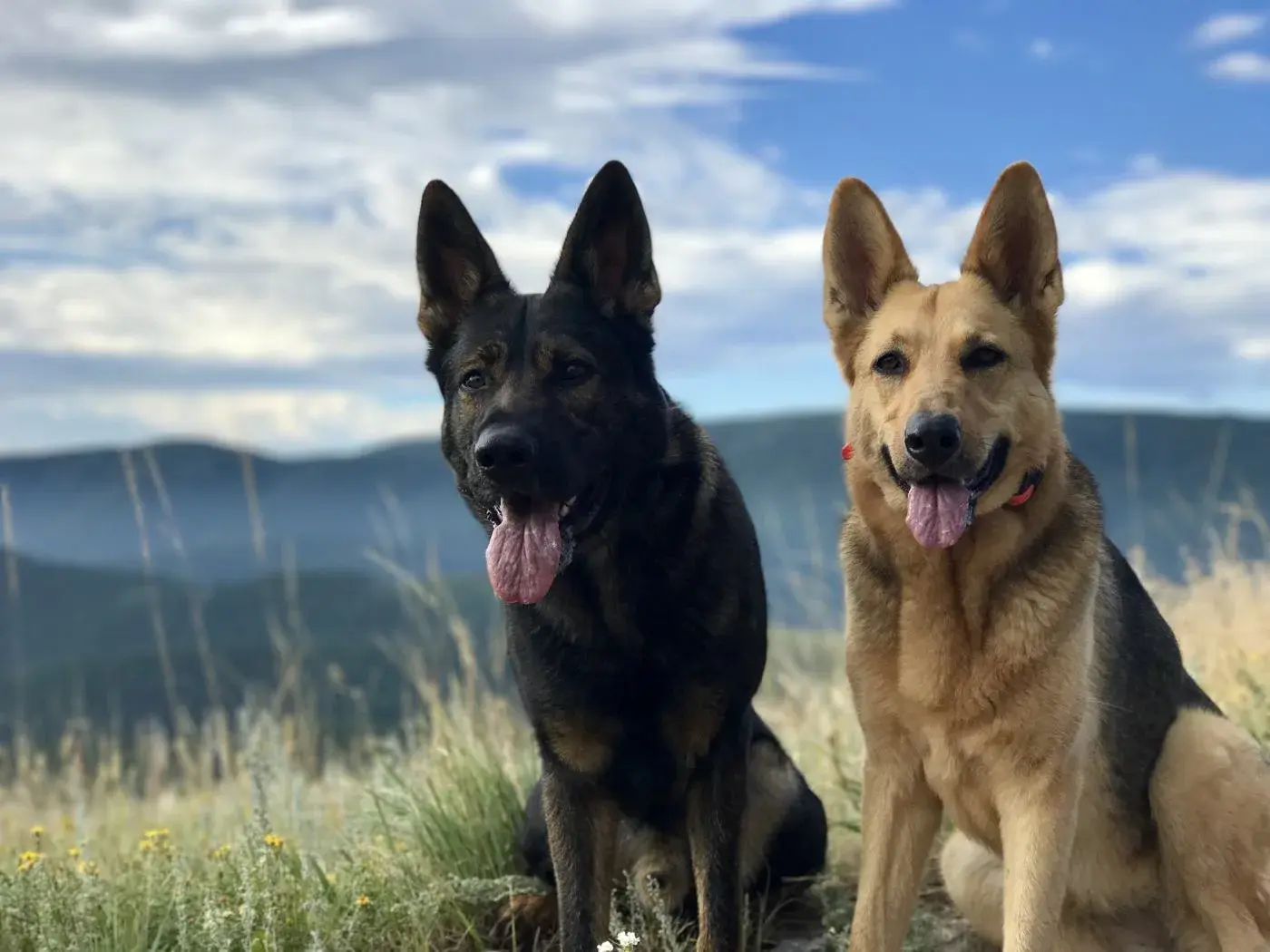
### Board & Train
Daily structure, real-world exposure and hands-on behavioral guidance in a trainer’s home.
[Explore Board & Train →](https://www.koruk9.com/dog-training-services/board-train)
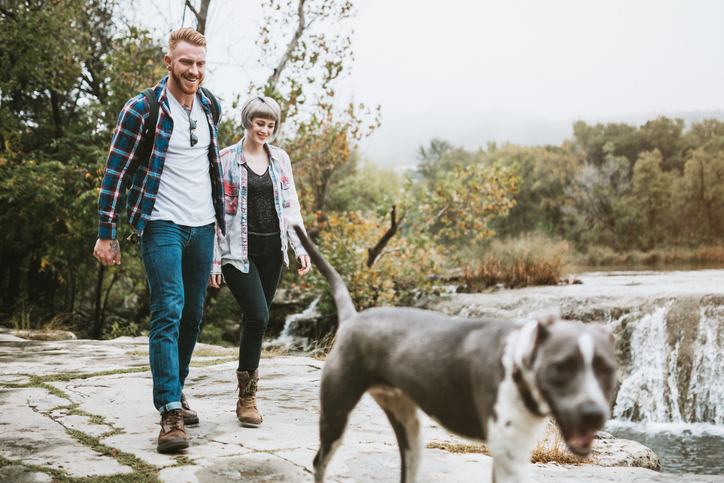
### Hybrid Training
An immersive reset first, then owner sessions that transfer the results to your walks.
[Explore Hybrid Training →](https://www.koruk9.com/dog-training-services/hybrid-training)
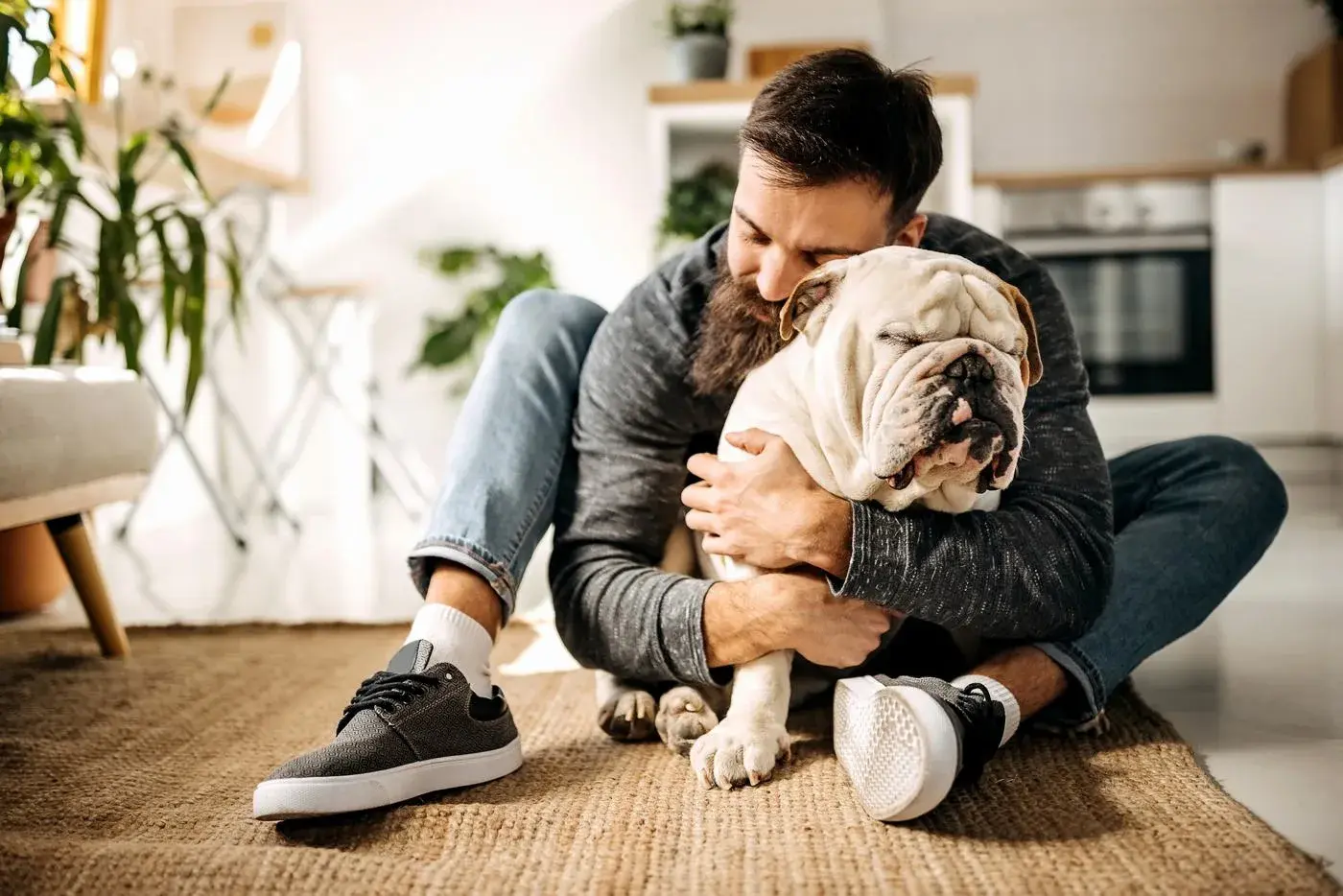
### Private In-Home Training
Coaching in the environment where the reactivity actually happens.
[Explore In-Home Training →](https://www.koruk9.com/dog-training-services/private-in-home-training)
## Ready to change your dog's story?
Aggression is workable with the right plan. A free 30-minute consultation gets you an honest read on what you're dealing with.
[Book a Free Consultation →](https://www.koruk9.com/contact-us) [415-583-5412](tel:4155835412)
[](https://www.koruk9.com/)
**Koru K9 Dog Training & Rehabilitation**
455 Market St Ste 1940, PMB 999798
San Francisco, CA 94105-2448
[415-583-5412](tel:4155835412) · [woof@koruk9.com](mailto:woof@koruk9.com)
Office Hours: Monday–Friday 8am–5pm PST
#### Services
[Board & Train](https://www.koruk9.com/dog-training-services/board-train) [In-Home Training](https://www.koruk9.com/dog-training-services/private-in-home-training) [Hybrid Training](https://www.koruk9.com/dog-training-services/hybrid-training) [Puppy Training](https://www.koruk9.com/dog-training-services/puppy-training) [LunaDog AI — Online](https://www.koruk9.com/lunadogai-dog-training-app)
#### Locations
[California](https://www.koruk9.com/dog-trainer-locations/california) [Washington](https://www.koruk9.com/dog-trainer-locations/washington) [Oregon](https://www.koruk9.com/dog-trainer-locations/oregon) [Colorado](https://www.koruk9.com/dog-trainer-locations/colorado) [Texas](https://www.koruk9.com/dog-trainer-locations/texas) [South Carolina](https://www.koruk9.com/dog-trainer-locations/south-carolina) [North Carolina](https://www.koruk9.com/dog-trainer-locations/north-carolina) [All locations →](https://www.koruk9.com/dog-trainer-locations)
#### Resources
[Behavior Guides](https://www.koruk9.com/guides) [Blog](https://www.koruk9.com/blog) [FAQs](https://www.koruk9.com/about-us/faqs) [Become a Trainer](https://www.koruk9.com/become-a-trainer) [Careers](https://www.koruk9.com/careers) [Contact](https://www.koruk9.com/contact-us)
© 2026 Koru K9 Dog Training & Rehabilitation. All rights reserved. [Privacy Policy](https://www.koruk9.com/privacy-policy) · Terms · Accessibility Site Built By [**3&Four**](https://www.3andfour.com/)
```json
{
"@context" : "https://schema.org",
"@type" : "Article",
"author" : {
"@id" : "https://www.koruk9.com/#org"
},
"headline" : "Aggression in Dogs: Causes, Types & Real Rehabilitation",
"mainEntityOfPage" : "https://www.koruk9.com/aggressive-dog-training-guide",
"publisher" : {
"@id" : "https://www.koruk9.com/#org"
}
}
```
```json
{
"@context" : "https://schema.org",
"@type" : "BreadcrumbList",
"itemListElement" : [ {
"@type" : "ListItem",
"item" : "https://www.koruk9.com/",
"name" : "Home",
"position" : 1
}, {
"@type" : "ListItem",
"item" : "https://www.koruk9.com/guides",
"name" : "Guides",
"position" : 2
}, {
"@type" : "ListItem",
"item" : "https://www.koruk9.com/aggressive-dog-training-guide",
"name" : "Aggression",
"position" : 3
} ]
}
```
```json
{
"@context" : "https://schema.org",
"@type" : "Article",
"author" : {
"@type" : "Organization",
"name" : "Koru K9 Dog Training & Rehabilitation"
},
"datePublished" : "2026-09-03",
"headline" : "[2026] Aggression in Dogs — The Complete Guide",
"publisher" : {
"@type" : "Organization",
"name" : "Koru K9 Dog Training & Rehabilitation"
}
}
```