★★★★★  4.9 from 1,200+ client reviews
Balanced dog training since 2013 · Serving 7 states across the US
Call us: 415-583-5412
Home Locations California East Bay Aggressive Dog Training
East Bay · Aggressive Dog Training

East Bay Aggressive Dog Training

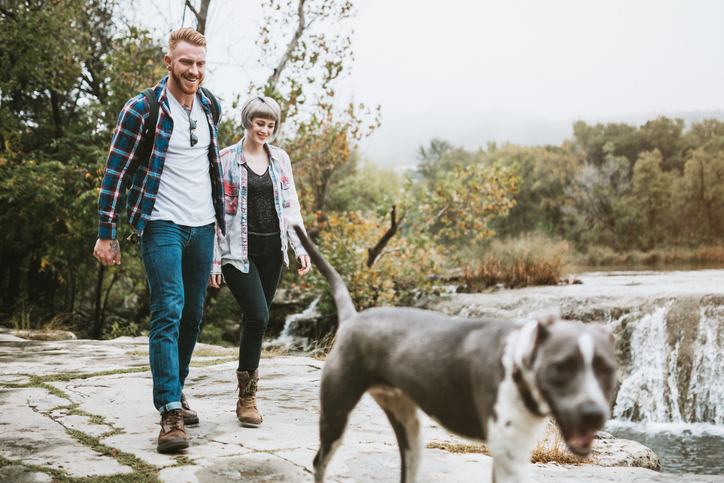
Our team of certified dog trainers in the East Bay, California area are available to provide private in-home training and board and train programs for aggressive dogs.
3–8 week programs Max 5 dogs per trainer weekly photo & video updates
★★★★★

“Whether we’re your first call or your last hope.”

Programs from $3,600 · GPS collars · Max 5 dogs
How does aggressive dog training work in East Bay?

Koru K9’s mission is to understand each pet and their family’s individual needs and develop an effective training plan that delivers results. We specialize in resolving even the most extreme behavior issues, while preventing problems from occurring in the future. Furthermore, our methods focus on teaching you how to understand your dog so you can build a strong relationship between them.

Problem behaviors we help with

Behavior we work with in East Bay

If the reactivity, anxiety, fear, or aggression feels unfixable, we want you to know it’s not.

Tell Us About Your Dog

Aggression

Dog-to-dog aggression, Human aggression, Resource or food guarding, Dogs fighting

Fear & Anxiety

Fear based behaviors, Separation anxiety, Generalized anxiety, Destructive behaviors

Obedience Issues

Pulling on leash, Not coming when called, Jumping, Excessive barking

Our philosophy

Let the 'heeling' begin.

Ever wonder why some East Bay dog Board & Train programs promise quick fixes or take a one-size-fits-all approach, only to leave you with unreliable results and behaviors that come back? That doesn’t mean your dog is broken — it means they need a different approach.

At Koru K9 Dog Training in the East Bay Bay Area, our Board & Train programs are built for real-life success — not shortcuts. We focus on lasting behavior change through connection, consistency, and clear communication.
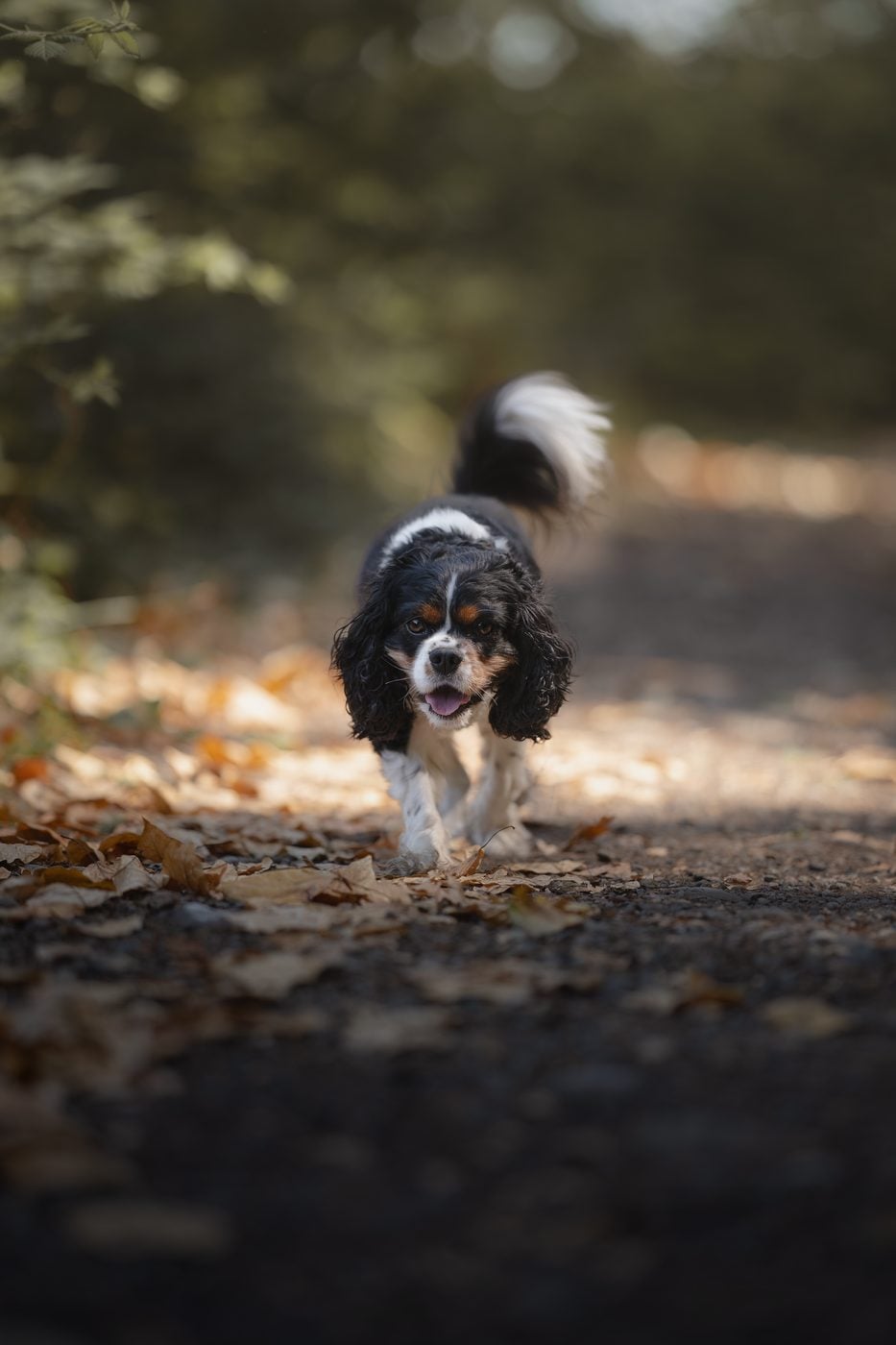
Real-life training in real environments. Each day includes structured sessions, field trips, and exposure to everyday distractions — city sidewalks, parks, and real streets, never a kennel run.
1–5
Client dogs per trainer — never more
Photo & video updates weekly
GPS
Collars & secure home environments
0
Kennels — home-based, always
How it works

How aggressive dog training works in East Bay

We treat every dog as if they were our own — because we know how much they mean to you.
1

Pick-up day

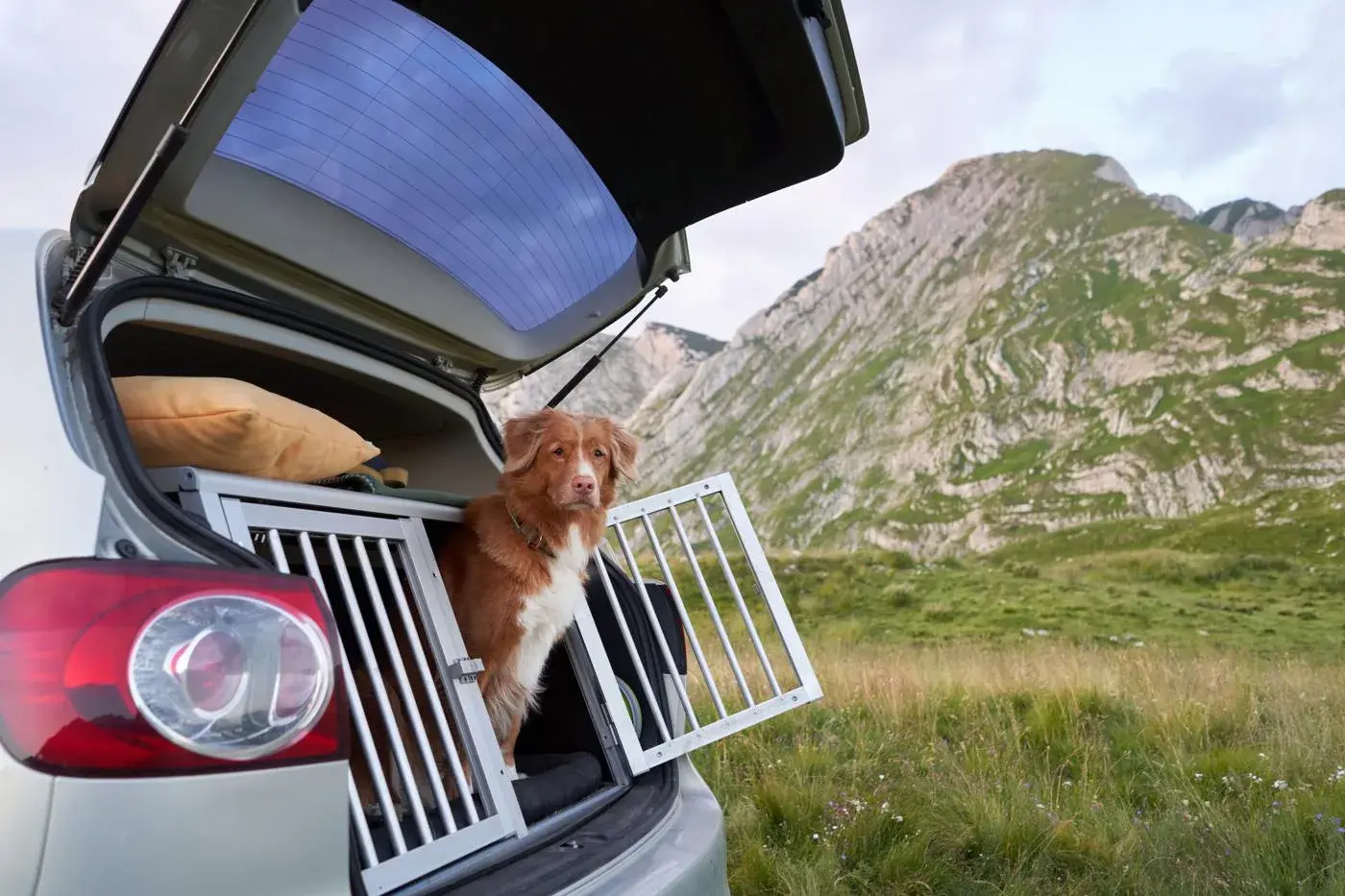
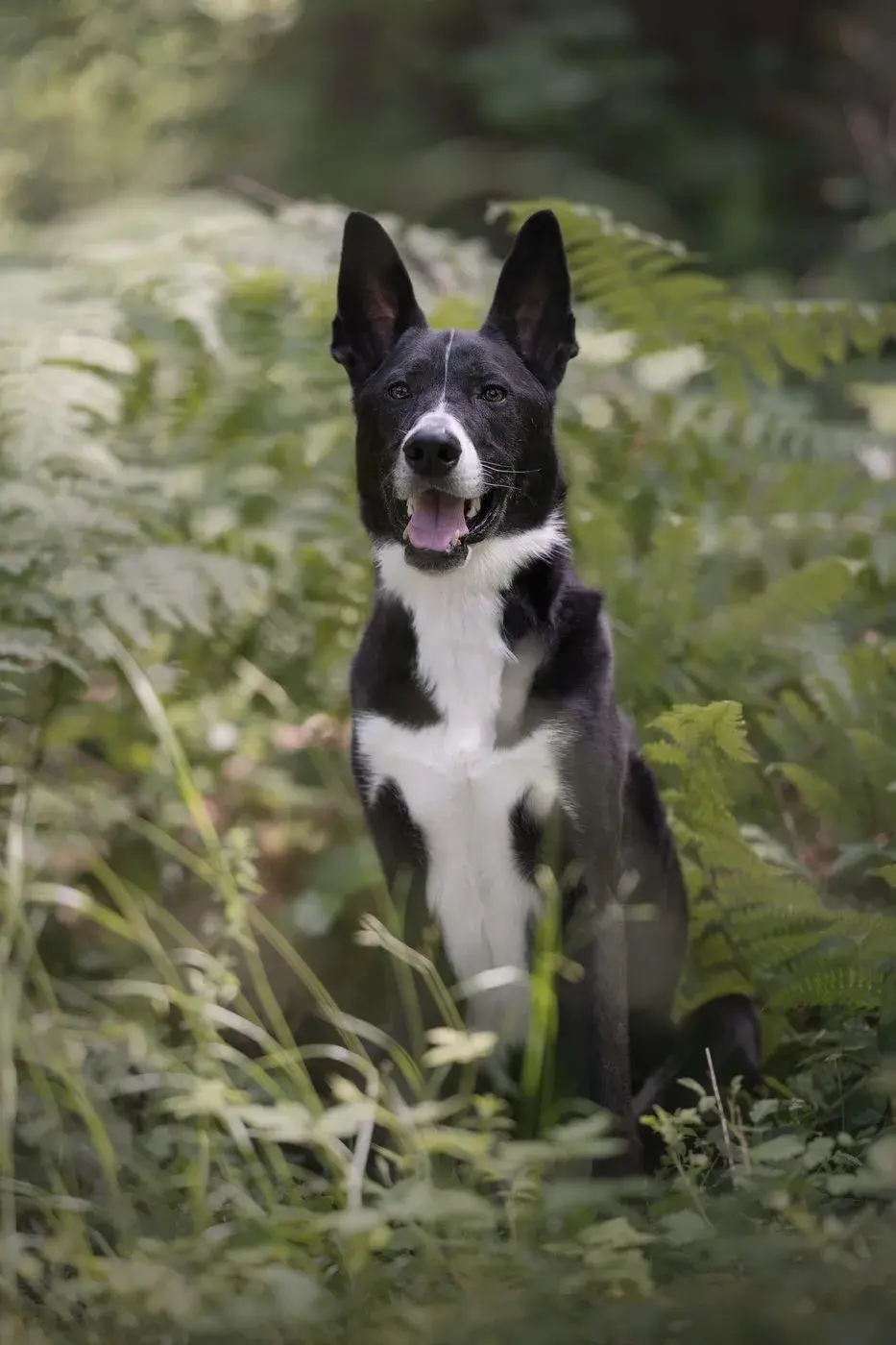
Pick up and drop off are part of every program. Your dog travels safe and settles into their trainer’s home.
2

Life in a real home

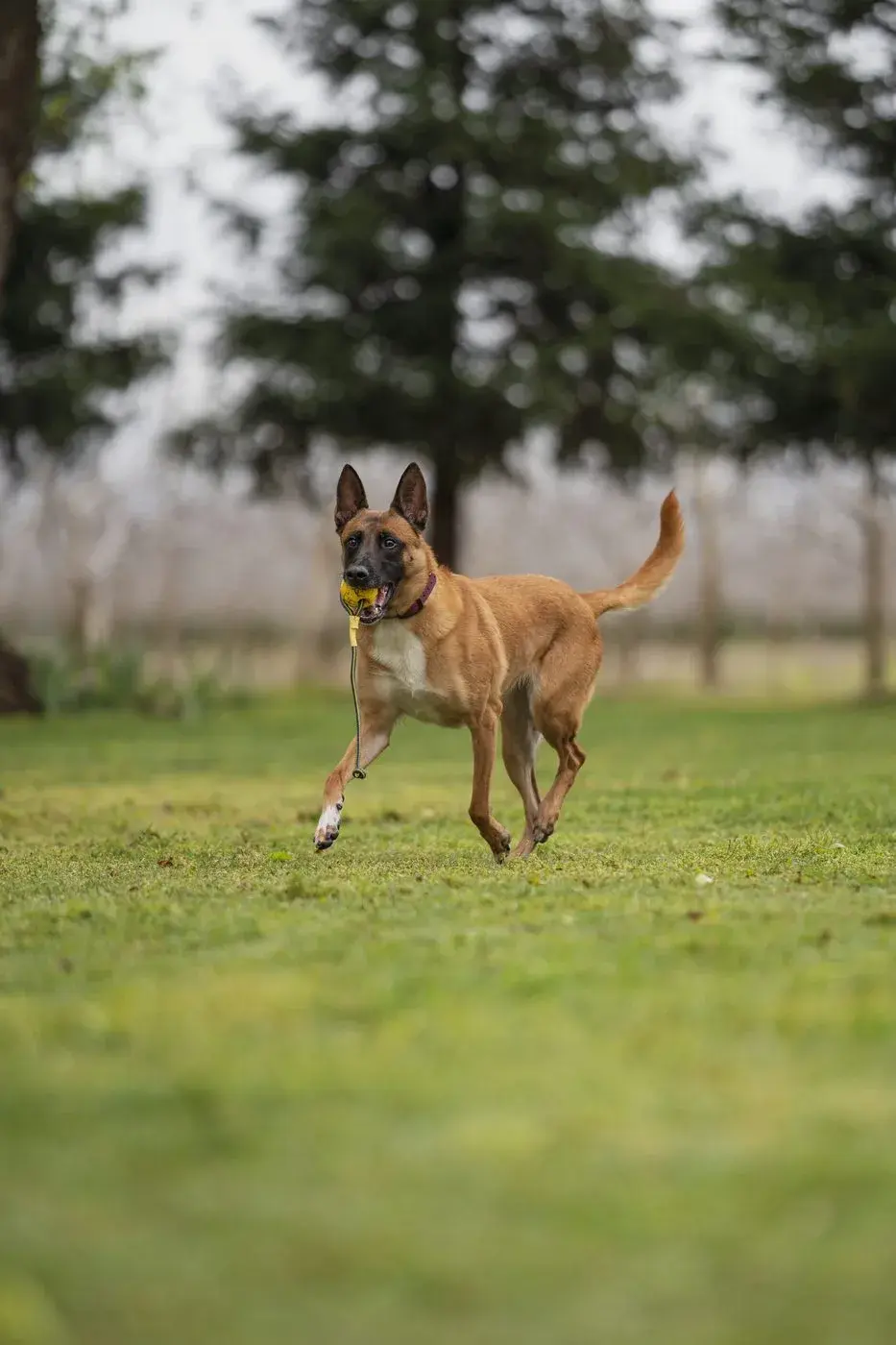
Your dog lives with a professional trainer — structured sessions plus playtime, exercise, and rest, never a crowded facility.
3

Real-world training daily

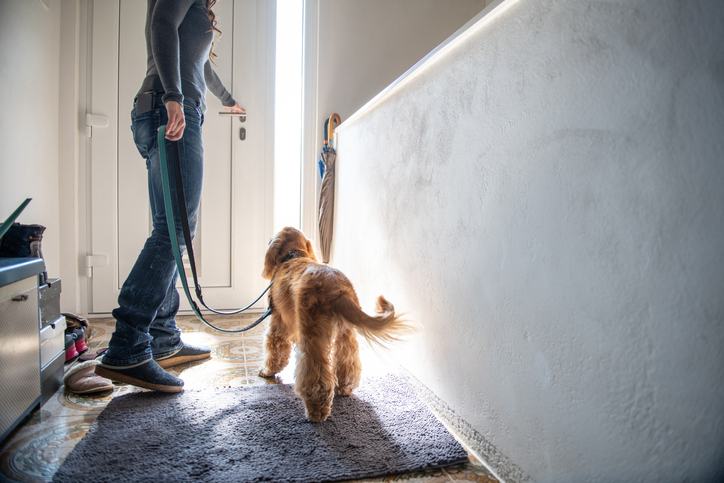
City streets, parks, and field trips — with at least two photo/video updates per week so you follow the progress.
4

Delivery & go-home lesson

We personally deliver your dog back and teach you everything they’ve learned — plus two follow-up lessons.

Your local team

Koru K9 trainers serving East Bay

Local trainers who live and work where you do.

David Besseler

San Francisco, CA
Certified Behaviorist

David currently runs his own full-time dog walking business, where he works hands-on with dogs of all temperaments and energy levels every day.

Debbie Port

Northern California
Dog BehavioristMichael Ellis School +1

Debbie Port grew up riding and training horses professionally. She trained her own dogs on the side and over the years got interested in dog sports.

Becca Contreras

Northern California
Dog BehavioristBalanced School for Dog Trainers

Becca has been training dogs professionally since 2011.

Jourdan Murphy

Northern California
Dog Behaviorist

Jourdan was born and raised in Santa Cruz County. Her passion and love for dogs started at a very young age.

Celeste Schmidt

Northern California
Dog Behaviorist

From the time she was young Celeste always had a deep passion for animals. Learning as much as she could and spending her free time with the family dogs.

Maddie Galati

Northern California
Dog Trainer & Behaviorist

Maddie has always had a passion for dogs. Aside from growing up with them, as soon as she graduated high school she was volunteering with a local German Shepherd rescue and shadowing a balanced trainer.

More reviews

Results from families like yours

Verified reviews from clients across every market we serve.

★★★★★

“I went online to find a dog trainer for owners with aggressive dogs and came across Koru K9 and Will Greenway. I have had five sessions and a onboarding session all one hour each in Portland, Oregon.”

OR Olivia RucinskiVerified client review
★★★★★

“Our dog Molly, an English springer spaniel, recently returned from a 3-week board and train with Sparky Davis and Koru K9. She is a different dog!”

KB Karen ButlerVerified client review
★★★★★

“Rob was fantastic with our dogs! We completed a 7-lesson package with him and have seen great progress with our stubborn old lady, Stella.”

BT Becca TrevinoVerified client review
Questions

East Bay aggressive dog training FAQs

To manage an aggressive dog, prioritize immediate safety by using physical barriers like crates or baby gates, and introduce a basket muzzle for secure handling. Avoid shouting or physical punishment, as this increases fear and escalates defensive behaviors. Schedule a complete veterinary checkup to rule out underlying pain, injuries, or thyroid issues that could be triggering the sudden hostility. Finally, hire an experienced professional trainer who specializes in aggression to build a structured, long-term behavior modification plan.
Dog aggression is a symptom of underlying distress rather than a permanent personality trait. It is most commonly driven by fear and anxiety, where a dog uses hostile displays to force perceived threats to back away. Physical pain, illness, resource guarding of food or space, and frustration from leash restraints are also frequent triggers. Additionally, a lack of positive socialization during early puppyhood can leave a dog fearful and reactive toward unfamiliar people or animals later in life.
Dog aggression cannot be outright "cured," but it can be successfully managed and modified. Through consistent training, counter-conditioning, and proper environmental management, a dog's aggressive outbursts can be drastically reduced. However, because underlying instincts and triggers remain, maintaining a safe and balanced dog requires lifelong vigilance, structure, and consistent handler leadership. What is the 3-3-3 rule for dog training? The 3-3-3 rule outlines the three main stages a rescue or newly placed dog goes through when adjusting to a new environment. During the first 3 days, the dog is in decompression mode, often feeling overwhelmed, anxious, and guarded as they process new surroundings. By the first 3 weeks, the dog begins settling in, learning daily routines, and dropping their guard, which is usually when true personality traits and behavioral challenges emerge. By the first 3 months, the dog builds full trust with their handlers, feels secure in their routine, and becomes fully integrated into the household.{ "@context": "https://schema.org", "@type": "FAQPage", "mainEntity": [ { "@type": "Question", "name": "What to do with an aggressive dog?", "acceptedAnswer": { "@type": "Answer", "text": "To manage an aggressive dog, prioritize immediate safety by using physical barriers like crates or baby gates, and introduce a basket muzzle for secure handling. Avoid shouting or physical punishment, as this increases fear and escalates defensive behaviors. Schedule a complete veterinary checkup to rule out underlying pain, injuries, or thyroid issues that could be triggering the sudden hostility. Finally, hire an experienced professional trainer who specializes in aggression to build a structured, long-term behavior modification plan." } }, { "@type": "Question", "name": "What causes a dog to start being aggressive?", "acceptedAnswer": { "@type": "Answer", "text": "Dog aggression is a symptom of underlying distress rather than a permanent personality trait. It is most commonly driven by fear and anxiety, where a dog uses hostile displays to force perceived threats to back away. Physical pain, illness, resource guarding of food or space, and frustration from leash restraints are also frequent triggers. Additionally, a lack of positive socialization during early puppyhood can leave a dog fearful and reactive toward unfamiliar people or animals later in life." } }, { "@type": "Question", "name": "Can dog aggression be cured?", "acceptedAnswer": { "@type": "Answer", "text": "Dog aggression cannot be outright \"cured,\" but it can be successfully managed and modified. Through consistent training, counter-conditioning, and proper environmental management, a dog's aggressive outbursts can be drastically reduced. However, because underlying instincts and triggers remain, maintaining a safe and balanced dog requires lifelong vigilance, structure, and consistent handler leadership." } }, { "@type": "Question", "name": "What is the 3-3-3 rule for dog training?", "acceptedAnswer": { "@type": "Answer", "text": "The 3-3-3 rule outlines the three main stages a rescue or newly placed dog goes through when adjusting to a new environment. During the first 3 days, the dog is in decompression mode, often feeling overwhelmed, anxious, and guarded as they process new surroundings. By the first 3 weeks, the dog begins settling in, learning daily routines, and dropping their guard, which is usually when true personality traits and behavioral challenges emerge. By the first 3 months, the dog builds full trust with their handlers, feels secure in their routine, and becomes fully integrated into the household." } } ] } We will add more content on these locations pages, once the new design will live. (Included keywords, interlinking etc).
The 3-3-3 rule outlines the three main stages a rescue or newly placed dog goes through when adjusting to a new environment. During the first 3 days, the dog is in decompression mode, often feeling overwhelmed, anxious, and guarded as they process new surroundings. By the first 3 weeks, the dog begins settling in, learning daily routines, and dropping their guard, which is usually when true personality traits and behavioral challenges emerge. By the first 3 months, the dog builds full trust with their handlers, feels secure in their routine, and becomes fully integrated into the household. { "@context": "https://schema.org", "@type": "FAQPage", "mainEntity": [ { "@type": "Question", "name": "What to do with an aggressive dog?", "acceptedAnswer": { "@type": "Answer", "text": "To manage an aggressive dog, prioritize immediate safety by using physical barriers like crates or baby gates, and introduce a basket muzzle for secure handling. Avoid shouting or physical punishment, as this increases fear and escalates defensive behaviors. Schedule a complete veterinary checkup to rule out underlying pain, injuries, or thyroid issues that could be triggering the sudden hostility. Finally, hire an experienced professional trainer who specializes in aggression to build a structured, long-term behavior modification plan." } }, { "@type": "Question", "name": "What causes a dog to start being aggressive?", "acceptedAnswer": { "@type": "Answer", "text": "Dog aggression is a symptom of underly

Each trainer works with just 1–5 client dogs at a time, ensuring your dog receives focused attention, personalized dog training, and plenty of affection in a real home environment. This small, intimate setting allows our expert trainers to tailor each session to your dog's unique personality and behavior challenges—whether it's leash reactivity, separation anxiety, or basic obedience. Your dog isn't just trained—they're cared for like family.

Your dog will receive exceptional care, personalized training, and plenty of individual attention throughout their stay. In our Board & Train program, each trainer works with only 1 to 5 dogs at a time. This intentionally small size ensures your dog receives the focused support they need to succeed. Each day includes multiple one-on-one training sessions, play, physical exercise, and rest. Your dog will live in the trainer's home—not a kennel—and will be treated like one of their own. We don't just teach commands, we help your dog build confidence, trust, and the skills they need to thrive at home and in the real world.

Your dog's safety is our top priority at Koru K9. During our Board & Train program, your dog lives in a safe, structured, and supervised home environment—not a kennel facility. This allows for 24/7 monitoring, individualized care, and secure containment when dogs are not actively training or supervised. Each dog is housed in a crate when unattended, which not only ensures safety but also supports structure and calm behavior. Our trainers follow strict safety protocols to prevent injury, stress, or accidents. From controlled environments to professional handling, our training programs are designed to keep your dog safe, secure, and thriving throughout their stay.

Yes — your dog will absolutely remember you after completing their Board & Train program. Dogs are deeply bonded to their people, and that connection doesn't disappear during training. In fact, time spent apart often strengthens the bond. Rest assured you will be greeted with tails wagging, full-body wiggles, and all. Throughout the program, your dog is learning new skills, gaining confidence, and practicing calm behavior. When you reunite, you'll see not only a dog that remembers you, but one that is the best version of themselves. Our go-home lesson helps you step into your new role as the leader your dog needs, and we provide clear, personalized guidance to make the transition smooth and successful. With continued consistency at home, you'll build an even stronger relationship with your dog.

Other dog training programs in East Bay

Dog Behaviorist

Dog Behaviorist for East Bay dogs and their families.

Explore Dog Behaviorist →

Your companion is worth it. Your peace of mind depends on it.

Whether we’re your first call or your last hope, Koru K9 will meet you — and your dog — where you are, and help you build the calm, confident companion you’ve been searching for.