X

Ready for real training?

Whether we’re your first choice or a last resort, Koru K9 will ensure that your canine companion is the perfect addition to your pack.
  • Home
  • Events
  • Koru’s Balanced Trainer Academy: Master Program (Seattle)

Koru’s Balanced Trainer Academy: Master Program (Seattle)

  • June 02 - June 13
  • $3,950 + Accommodations (Maximum 5 students)
Koru’s Balanced Trainer Academy: Master Program (Seattle)
Days
Hours
Minutes
Seconds

Event Fees

$ 3950.00

Total Seats

5

Available Seats

3

How to Choose Board and Train Programs for Rescue Dogs

Bringing home a rescue dog can be one of the most rewarding experiences you’ll ever have. It can also come with challenges that many owners aren’t prepared for.

Some rescue dogs settle into their new homes quickly. Others may struggle with fear, anxiety, lack of confidence, poor leash manners, reactivity, separation anxiety, or difficulty adapting to a new environment. Because many rescue dogs come with unknown histories, it’s important to choose a training program that understands how to work with the whole dog—not just the symptoms.

If you’re considering a board and train program, here’s what you should look for to ensure your dog receives safe, effective, and individualized training.

Why Rescue Dogs Often Need Specialized Training

Rescue dogs frequently arrive in their new homes with gaps in socialization, inconsistent training experiences, or emotional baggage from previous environments. While every dog is different, many rescue dogs benefit from additional structure, guidance, and confidence-building.

Common challenges include:

  • Fear and anxiety
  • Leash pulling
  • Reactivity toward people or dogs
  • Separation anxiety
  • Difficulty settling in the home
  • Lack of obedience training
  • Low confidence in new environments
  • Overarousal and impulse control issues

Some rescue dogs may also require more advanced behavior modification if they struggle with fear-based aggression, resource guarding, or other serious behavioral concerns.

The best training programs recognize that rescue dogs are individuals and create customized plans based on each dog’s needs.

What Makes Rescue Dog Training Different?

A quality rescue dog training program focuses on much more than obedience commands.

Rather than simply teaching a dog to sit, stay, or come when called, experienced trainers evaluate:

  • Temperament
  • Confidence level
  • Stress triggers
  • Household environment
  • Training history
  • Lifestyle goals

The goal is to help the dog feel safe, understand expectations, and learn how to successfully navigate life with their new family.

At Koru K9, we often tell clients that training should move at the speed of the dog. Building confidence and trust creates a stronger foundation than rushing through obedience exercises.

Give Your Rescue Dog the Best Possible Start

Every rescue dog comes with a unique story. The right training can help build confidence, create clear communication, and set the foundation for a successful life together.

What to Look for in a Board and Train Program for Rescue Dogs

1. Experience Working with Rescue Dogs

Not every trainer has extensive experience with rescue dogs.

Ask potential trainers:

  • Have you worked with shelter and rescue dogs before?
  • How do you help dogs build confidence?
  • What is your process for evaluating new dogs?

A qualified trainer should be able to explain their approach clearly and provide examples of similar cases.

2. A Focus on Structure and Confidence Building

Rescue dogs need clarity, consistency, and confidence.

The best professional dog training programs focus on:

  • Relationship building
  • Clear communication
  • Structure and routine
  • Confidence-building exercises
  • Real-world training
  • Impulse control
  • Proper socialization

Training should help the dog become more capable of handling everyday situations rather than simply performing commands.

3. Safety and Management Protocols

Safety should always be a priority.

Ask questions such as:

  • How are dogs introduced to new environments?
  • How are interactions with other dogs managed?
  • What safety protocols are in place during outings?
  • How do trainers handle fearful or reactive behavior?

A reputable trainer should have clear systems and procedures for keeping dogs, trainers, and the public safe.

4. Individualized Training Plans

No two rescue dogs are the same. A dog struggling with confidence requires a different approach than a dog experiencing separation anxiety or leash reactivity.

Look for a training program that evaluates the individual dog and creates a plan based on that dog’s needs rather than following a one-size-fits-all formula.

Home-Based vs. Kennel-Based Board and Train Programs

It’s important to understand where your dog will spend their time during training.

Questions to ask include:

  • Will my dog live in a home environment or kennel?
  • How many dogs does each trainer work with?
  • How much one-on-one training occurs daily?
  • What enrichment and exercise are provided?
  • How are dogs supervised?

Many owners appreciate home-based programs because they provide opportunities for dogs to practice skills in a more realistic living environment.

Why Owner Education Matters

One of the biggest mistakes owners make is believing that training ends when their dog comes home.

The truth is that long-term success depends on owner involvement.

Look for programs that include:

  • Go-home lessons
  • Follow-up sessions
  • Written training plans
  • Ongoing support
  • Troubleshooting guidance

Even the best board and train program cannot replace owner consistency.

A great trainer doesn’t just train the dog—they teach the owner how to maintain and build on that progress.

Questions to Ask Before Choosing a Board and Train Program

Before making a decision, ask:

✔ How much experience do you have with rescue dogs?

✔ How do you evaluate each dog’s needs?

✔ What does a typical day look like?

✔ How much individual training does my dog receive?

✔ What follow-up support is included?

✔ How do you measure progress?

✔ How will you help my dog transition back home?

The answers should be clear, specific, and focused on your dog’s individual needs.

Our Rescue Dog Training Programs

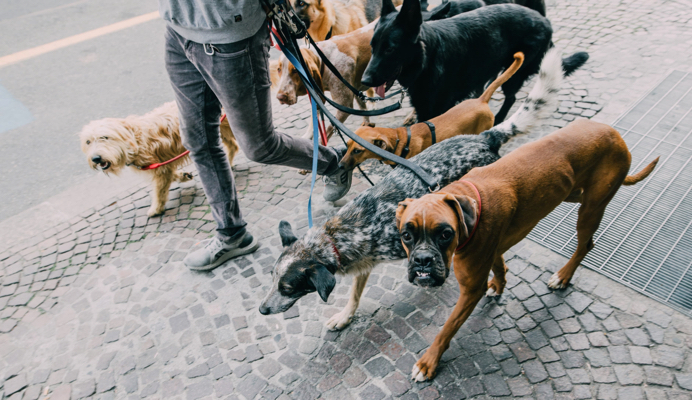
A Man Walking a Group of Dogs on a Leash

Rescue Dog Board & Train

Our trainers train your rescue dog in their homes and real-world locations. This is a true “reset” and an excellent option for clients with less time to commit to a behavior modification training program or have a dog(s) with moderate to severe behaviors.


Man Standing By Lake Feeding Black Lab A Treat

Hybrid Training

The best of both worlds! With a combination of both our In-Home and Board & Train programs, this fits any training goal or behavior with a foundational reset, then in-home sessions to incorporate what we have taught your dog into your life.

A Couple of Women Sitting on Top of a Bed With Two Dogs

In-Home Private Rescue Dog Training

For owners who want to be fully immersed in the process, we teach you how to be a better handler for your puppy by training you and your puppy in your home. We train you to train your puppy.

Final Thoughts

Choosing the right board and train program for your rescue dog is about more than obedience training.

The best programs help dogs build confidence, learn new skills, and successfully adapt to life with their new families. They focus on communication, structure, behavior modification when needed, and owner education to create lasting results.

Every rescue dog has a unique story. The right training program should recognize that and create a plan tailored to the individual dog rather than relying on a one-size-fits-all approach.

With patience, consistency, and the right guidance, rescue dogs can develop the skills and confidence they need to thrive.

Ready to Help Your Rescue Dog Thrive?

Let’s talk about your dog’s unique needs.

Whether your dog is adjusting to a new home, struggling with fear or anxiety, or simply needs more structure and guidance, the right training can help build confidence and create lasting behavior change.

Koru K9 works with rescue dog owners across the country, helping dogs develop the skills they need to become calm, reliable companions.

FAQs About Rescue Dog Board & Train Programs

Are board and train programs good for rescue dogs?

Yes. Many rescue dogs benefit from the structure, consistency, and professional guidance that a quality board and train program provides. The key is choosing a trainer who understands rescue dogs and tailors the training process to the individual dog.

Can a board and train program help a fearful rescue dog?

Absolutely. Many fearful dogs benefit from confidence-building exercises, structured routines, and gradual exposure to new environments. The right trainer can help a dog learn how to navigate the world more comfortably.

How long does it take a rescue dog to adjust to a new home?

Every dog is different. Some dogs settle in within a few weeks, while others may take several months to fully adjust. Training can help accelerate the process by providing clarity, structure, and confidence.

What should I look for in a rescue dog training program?

Look for experience working with rescue dogs, individualized training plans, strong safety protocols, owner education, and a focus on confidence-building and behavior modification when necessary.