---
title: How to Fix Leash Reactivity in Dogs | Koru K9 Training Guide
description: Learn how to address and fix leash reactivity in dogs using Koru K9’s real-world balanced training techniques.
---
★★★★★ 4.9 from 1,200+ client reviews
Balanced dog training since 2013 · Serving 7 states across the US
Call us: [415-583-5412](tel:4155835412)
[](https://www.koruk9.com/)
[Services ▾](https://www.koruk9.com/dog-training-services) [All Services](https://www.koruk9.com/dog-training-services) [Board & Train](https://www.koruk9.com/dog-training-services/board-train) [In-Home Training](https://www.koruk9.com/dog-training-services/private-in-home-training) [Hybrid Training](https://www.koruk9.com/dog-training-services/hybrid-training) [Puppy Training](https://www.koruk9.com/dog-training-services/puppy-training) [LunaDog AI — Online](https://www.koruk9.com/lunadogai-dog-training-app) [Locations ▾](https://www.koruk9.com/dog-trainer-locations) [All Locations](https://www.koruk9.com/dog-trainer-locations) [California](https://www.koruk9.com/dog-trainer-locations/california) [Washington](https://www.koruk9.com/dog-trainer-locations/washington) [Oregon](https://www.koruk9.com/dog-trainer-locations/oregon) [Colorado](https://www.koruk9.com/dog-trainer-locations/colorado) [Texas](https://www.koruk9.com/dog-trainer-locations/texas) [South Carolina](https://www.koruk9.com/dog-trainer-locations/south-carolina) [North Carolina](https://www.koruk9.com/dog-trainer-locations/north-carolina) [Guides](https://www.koruk9.com/guides) [About ▾](https://www.koruk9.com/about-us) [About Us](https://www.koruk9.com/about-us) [Our Method](https://www.koruk9.com/about-us/our-method) [Our Team](https://www.koruk9.com/about-us/our-team) [Testimonials](https://www.koruk9.com/about-us/testimonials) [FAQs](https://www.koruk9.com/about-us/faqs) [Careers](https://www.koruk9.com/careers) [Contact](https://www.koruk9.com/contact-us) [Blog](https://www.koruk9.com/blog) [Trainer School](https://www.koruk9.com/become-a-trainer)
[415-583-5412](tel:4155835412) [Book a Consultation](https://www.koruk9.com/contact-us)
[Home](https://www.koruk9.com/)› [Guides](https://www.koruk9.com/guides)› Leash Reactivity
Behavior guide
# Leash Reactivity in Dogs: What Actually Helps
By **Koru K9 Training Team**·Balanced training since **2013**·**15,000+** dogs trained·9 min read
#### In this guide
[What is leash reactivity?](https://www.koruk9.com/leash-reactivity-guide#quick-answer) [What it looks like](https://www.koruk9.com/leash-reactivity-guide#what-does-reactive-dog-behavior-look-like) [Why it happens](https://www.koruk9.com/leash-reactivity-guide#why-reactivity-is-so-common-in-busy-places) [Reactivity or aggression?](https://www.koruk9.com/leash-reactivity-guide#reactivity-or-aggression) [Why obedience isn’t enough](https://www.koruk9.com/leash-reactivity-guide#why-obedience-training-alone-often-does-not-solve-reactivity) [What real training includes](https://www.koruk9.com/leash-reactivity-guide#real-world-reactive-dog-training-matters) [Does board & train help?](https://www.koruk9.com/leash-reactivity-guide#is-a-board-and-train-good-for-reactive-dogs) [When to get help](https://www.koruk9.com/leash-reactivity-guide#when-to-get-professional-help) [Reactive dogs can improve](https://www.koruk9.com/leash-reactivity-guide#leash-reactive-dogs-can-improve) [FAQs](https://www.koruk9.com/leash-reactivity-guide#faqs)
What is leash reactivity?
Reactive behavior is not simply a dog “being bad.” In many cases, it is a combination of stress, frustration, anxiety, overstimulation, poor coping skills, genetics, environmental pressure, and learned behavioral patterns. While obedience commands can sometimes help temporarily, lasting improvement usually requires a deeper focus on behavior, emotional regulation, communication, structure, and real-world exposure.
## What Does Reactive Dog Behavior Look Like?
Reactivity can show up in many different ways. Some dogs bark and lunge at other dogs on leash. Others become overwhelmed around people, bikes, skateboards, scooters, or crowded environments. Some dogs shut down completely before suddenly exploding once they can no longer cope with the pressure around them.
Reactive behavior is often less about “disobedience” and more about a dog struggling to regulate themselves in overwhelming situations.
- Barking and lunging on walks
- Explosive leash behavior
- Fixating on dogs or people
- Pulling and frantic behavior outdoors
- Growling or snapping when overwhelmed
- Difficulty calming down after stimulation
- Overreacting to noises or movement
- Fear-based reactions
- Frustration-based leash reactivity
- Dogs who listen indoors but fall apart outside
## Why Reactivity Is So Common in Busy Places
Many dogs are living in apartments, navigating crowded sidewalks daily, hearing constant environmental noise, and being exposed to stimulation almost nonstop. Even highly social dogs can become overwhelmed when they never truly learn how to decompress or regulate themselves.
Many dogs are not intentionally “misbehaving.” They simply do not yet know how to handle the level of pressure and stimulation happening around them. This is why lasting behavior change usually requires more than obedience drills alone.
- Narrow apartment hallways
- Crowded walking paths
- Dogs passing closely on sidewalks
- Busy neighborhood streets
- Off-leash dogs approaching unexpectedly
- Public parks and outdoor dining
- Elevators and shared housing spaces
- Bikes, scooters, and delivery traffic
- Hiking trails with constant environmental stimulation
- Highly social urban environments
## Reactivity, or Aggression?
Aggression does not always look like a full bite. Early warning signs can include growling, snapping, lunging, showing teeth, stiffening, hard staring, resource guarding and biting.
A dog does not need to be “bad” to be dangerous. Even a loving dog can make unsafe choices under stress, fear, pressure, frustration, or conflict.
Every time a dog rehearses aggressive behavior, that pattern can become stronger. The dog learns what works. The owner becomes more anxious. The household starts adapting around the behavior. That is not sustainable.
**Not always the same thing.** Some reactive dogs are fearful, frustrated, or overstimulated, but not truly aggressive. However, reactivity can become dangerous if the dog bites, redirects, or cannot be safely controlled.
## Why Obedience Training Alone Often Does Not Solve Reactivity
Many dogs perform well inside quiet training buildings but struggle the moment they return to normal life. That is why our training focuses heavily on real-world environments and practical everyday behavior.
This is one reason why many owners say: “My dog listens at home but falls apart outside.” The problem is not your dog being stubborn. The problem is that the dog’s emotional state changes dramatically once stress and stimulation increase.
- Neighborhood walks
- Public exposure work
- Calm leash handling
- Threshold management
- Household structure
- Guest interactions
- Outdoor settling
- Exposure to distractions
- Emotional regulation work
- Building better coping patterns
## Real-World Reactive Dog Training Matters
Reactive dogs do not live inside quiet training rooms. They live in apartment buildings, neighborhoods, crowded sidewalks, parks, public trails, social environments and family homes. That means training should prepare dogs for real life.
Dogs need to learn how to make better decisions when the world becomes stimulating — not just when everything is calm and controlled. For many dogs, sustainable progress comes from consistency, clarity, structure, and realistic expectations over time.
- calmer leash walks
- threshold behavior
- impulse control
- environmental neutrality
- household structure
- owner communication
- emotional regulation
- public behavior skills
- predictable routines
## Is a Board and Train Good for Reactive Dogs?
For many reactive dogs, weekly lessons simply are not enough structure or consistency to create major behavioral change.
Unlike traditional kennel-style programs, dogs live inside real trainer homes where behavior work happens in practical everyday environments.
- Daily structure
- Consistent communication
- Real-world exposure
- Hands-on behavioral guidance
- Calm routines
- Environmental training
- Owner coaching and follow-through
- Long-term support
## When to Get Professional Help
Reactivity rarely improves by ignoring it. The longer your dog rehearses the behavior, the stronger the pattern can become.
- Your dog is lunging aggressively
- Your dog has bitten or tried to bite
- You cannot safely walk your dog
- Your dog reacts at people, dogs, cars, bikes, or children
- Your dog’s world is getting smaller
- You are avoiding normal life because of the behavior
- You feel anxious every time you leave the house
**Waiting rarely makes it easier.** Every time a dog rehearses the behavior, that pattern can become stronger. The dog learns what works, the owner becomes more anxious, and the household starts adapting around the behavior.
## Leash Reactive Dogs Can Improve
Reactive dog training is not about creating a perfect dog who never notices anything.
It is about building a dog who can recover faster, respond better, and move through life with more control.
## FAQs about leash reactive dogs
What kind of dog trainer should I choose if my dog is leash reactive?+
Choose a balanced trainer with experience in reactivity, leash behavior, structure, and real-world training. Reactivity is not just an obedience issue. Your dog needs help learning how to stay calmer, respond to guidance, and make better choices around triggers.
Can a reactive dog be trained?+
Yes, absolutely! Reactive dogs can improve with the right structure, handling, training plan, and owner follow-through. Progress depends on the dog, the severity of the behavior, and consistency after training.
Is reactivity the same as aggression?+
Not always. Some reactive dogs are fearful, frustrated, or overstimulated, but not truly aggressive. However, reactivity can become dangerous if the dog bites, redirects, or cannot be safely controlled.
Should I let my reactive dog meet other dogs?+
We do not recommend it. Reactivity is typically a fear based behavior, and if your forcing your dog into a situation where they are fearful, you’ll degrade trust, and make the behavior worse. Many reactive dogs need structure and controlled exposure before direct interaction is appropriate.
Can a board & train help leash reactivity?+
Yes, Board and Train can help leash-reactive dogs when the program includes structure, leash handling, exposure work, and owner coaching.
Do you work with dogs outside of San Francisco?+
Koru K9 works with dogs and owners across the San Francisco Bay Area, including: San Francisco, Oakland & the East Bay, Marin County & North Bay, Palo Alto & the Peninsula, San Jose & the South Bay, Walnut Creek and surrounding communities
**Think your dog needs help?** A free 30-minute consultation gets you an honest read on what you’re actually dealing with — reactivity, aggression, or something else — and an exact quote for your dog.
Other behavior guides
## When it’s more than leash reactivity
Reactivity often travels with other behavior problems. These guides cover the ones owners ask us about most.
[Tell Us About Your Dog →](https://www.koruk9.com/contact-us)
### Aggression
Growling, snapping, resource guarding and bites — when to get professional help.
[Read the guide →](https://www.koruk9.com/guides)
### Anxiety & fear
Separation anxiety, noise sensitivity, and the dog whose world is getting smaller.
[Read the guide →](https://www.koruk9.com/guides)
### Rescue dogs
Building trust and structure with a dog whose history you don’t know.
[Read the guide →](https://www.koruk9.com/guides)
## Programs built for reactive dogs
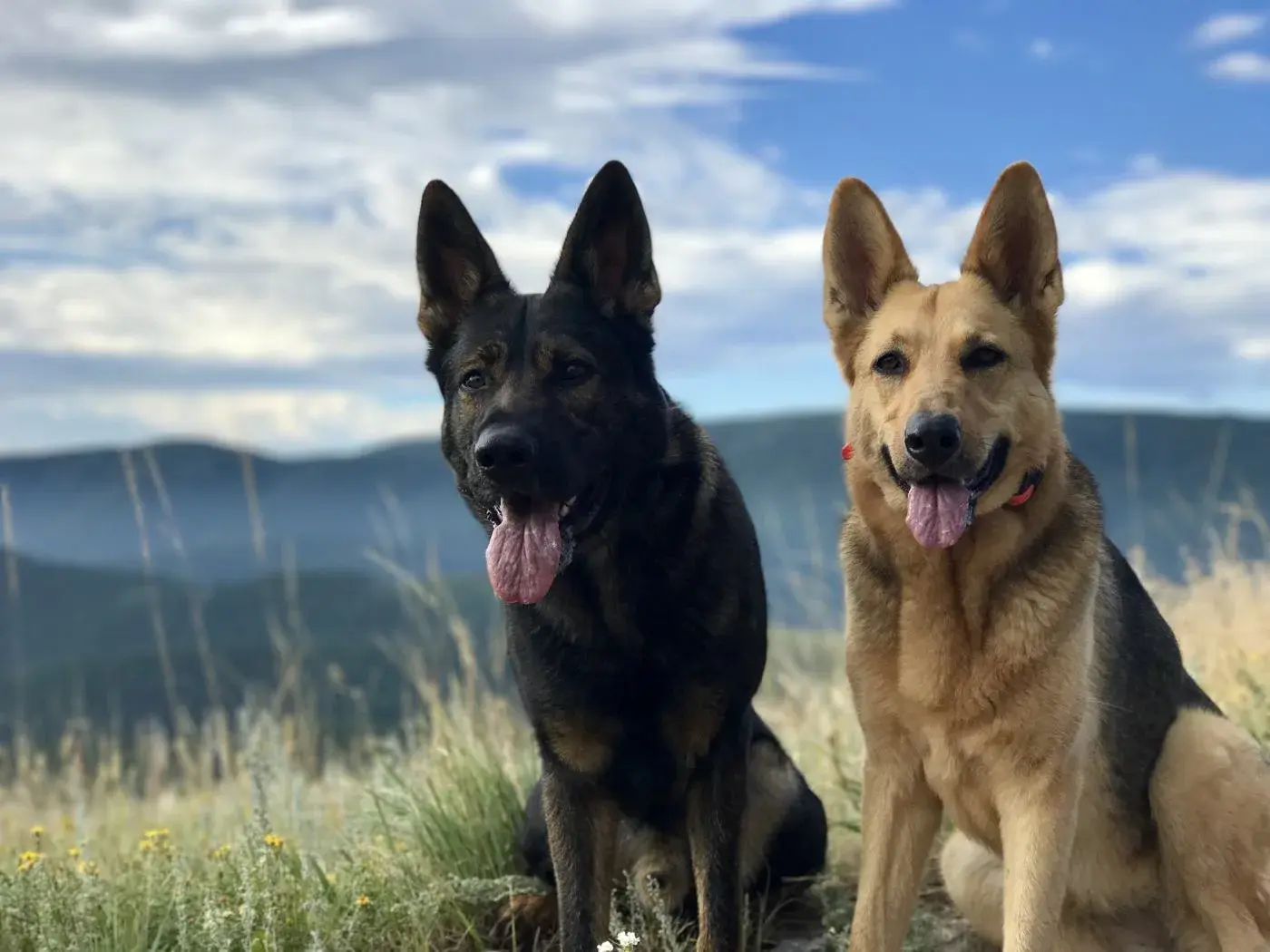
### Board & Train
Daily structure, real-world exposure and hands-on behavioral guidance in a trainer’s home.
[Explore Board & Train →](https://www.koruk9.com/dog-training-services/board-train)
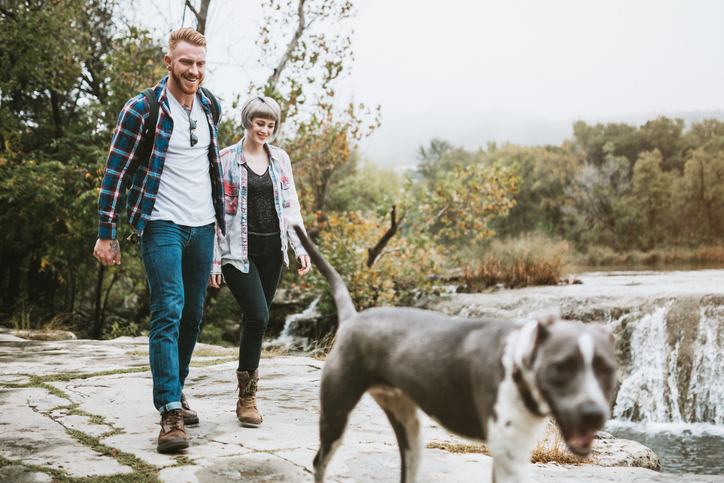
### Hybrid Training
An immersive reset first, then owner sessions that transfer the results to your walks.
[Explore Hybrid Training →](https://www.koruk9.com/dog-training-services/hybrid-training)
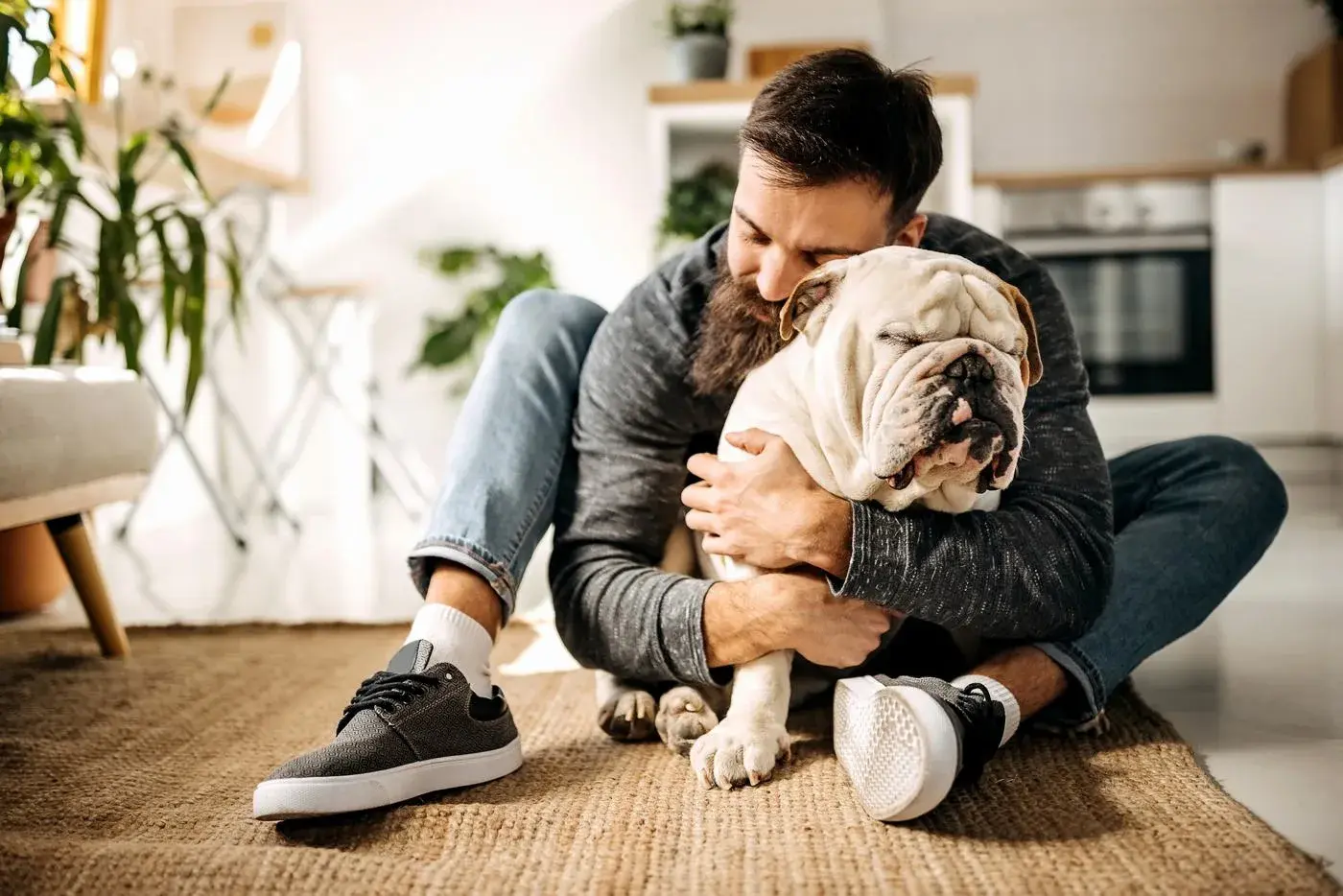
### Private In-Home Training
Coaching in the environment where the reactivity actually happens.
[Explore In-Home Training →](https://www.koruk9.com/dog-training-services/private-in-home-training)
## Ready to make walks with your dog enjoyable?
If you’re struggling with reactivity or stressful walks, Koru K9 can help. Book a free 30-minute consultation and we’ll tell you honestly what your dog needs.
[Book a Free Consultation →](https://www.koruk9.com/contact-us) [415-583-5412](tel:4155835412)
[](https://www.koruk9.com/)
**Koru K9 Dog Training & Rehabilitation**
455 Market St Ste 1940, PMB 999798
San Francisco, CA 94105-2448
[415-583-5412](tel:4155835412) · [woof@koruk9.com](mailto:woof@koruk9.com)
Office Hours: Monday–Friday 8am–5pm PST
#### Services
[Board & Train](https://www.koruk9.com/dog-training-services/board-train) [In-Home Training](https://www.koruk9.com/dog-training-services/private-in-home-training) [Hybrid Training](https://www.koruk9.com/dog-training-services/hybrid-training) [Puppy Training](https://www.koruk9.com/dog-training-services/puppy-training) [LunaDog AI — Online](https://www.koruk9.com/lunadogai-dog-training-app)
#### Locations
[California](https://www.koruk9.com/dog-trainer-locations/california) [Washington](https://www.koruk9.com/dog-trainer-locations/washington) [Oregon](https://www.koruk9.com/dog-trainer-locations/oregon) [Colorado](https://www.koruk9.com/dog-trainer-locations/colorado) [Texas](https://www.koruk9.com/dog-trainer-locations/texas) [South Carolina](https://www.koruk9.com/dog-trainer-locations/south-carolina) [North Carolina](https://www.koruk9.com/dog-trainer-locations/north-carolina) [All locations →](https://www.koruk9.com/dog-trainer-locations)
#### Resources
[Behavior Guides](https://www.koruk9.com/guides) [Blog](https://www.koruk9.com/blog) [FAQs](https://www.koruk9.com/about-us/faqs) [Become a Trainer](https://www.koruk9.com/become-a-trainer) [Careers](https://www.koruk9.com/careers) [Contact](https://www.koruk9.com/contact-us)
© 2026 Koru K9 Dog Training & Rehabilitation. All rights reserved. [Privacy Policy](https://www.koruk9.com/privacy-policy) · Terms · Accessibility Site Built By [**3&Four**](https://www.3andfour.com/)
```json
{
"@context" : "https://schema.org",
"@type" : "Article",
"author" : {
"@id" : "https://www.koruk9.com/#org"
},
"description" : "Learn how to address and fix leash reactivity in dogs using Koru K9’s real-world balanced training techniques.",
"headline" : "Leash Reactivity in Dogs: What Actually Helps",
"image" : "https://22202171.fs1.hubspotusercontent-na1.net/hubfs/22202171/koru-k9-2026/leash_reactivity.webp",
"mainEntityOfPage" : "https://www.koruk9.com/leash-reactivity-guide",
"publisher" : {
"@id" : "https://www.koruk9.com/#org"
}
}
```
```json
{
"@context" : "https://schema.org",
"@type" : "BreadcrumbList",
"itemListElement" : [ {
"@type" : "ListItem",
"item" : "https://www.koruk9.com/",
"name" : "Home",
"position" : 1
}, {
"@type" : "ListItem",
"item" : "https://www.koruk9.com/guides",
"name" : "Guides",
"position" : 2
}, {
"@type" : "ListItem",
"item" : "https://www.koruk9.com/leash-reactivity-guide",
"name" : "Leash Reactivity",
"position" : 3
} ]
}
```
```json
{
"@context" : "https://schema.org",
"@type" : "Article",
"author" : {
"@type" : "Organization",
"name" : "Koru K9 Dog Training & Rehabilitation"
},
"datePublished" : "2026-09-03",
"headline" : "[2026] Leash Reactivity — The Complete Guide",
"publisher" : {
"@type" : "Organization",
"name" : "Koru K9 Dog Training & Rehabilitation"
}
}
```
```json
{
"@context" : "https://schema.org",
"@type" : "FAQPage",
"mainEntity" : [ {
"@type" : "Question",
"acceptedAnswer" : {
"@type" : "Answer",
"text" : "Choose a balanced trainer with experience in reactivity, leash behavior, structure, and real-world training. Reactivity is not just an obedience issue. Your dog needs help learning how to stay calmer, respond to guidance, and make better choices around triggers."
},
"name" : "What kind of dog trainer should I choose if my dog is leash reactive?"
}, {
"@type" : "Question",
"acceptedAnswer" : {
"@type" : "Answer",
"text" : "Yes, absolutely! Reactive dogs can improve with the right structure, handling, training plan, and owner follow-through. Progress depends on the dog, the severity of the behavior, and consistency after training."
},
"name" : "Can a reactive dog be trained?"
}, {
"@type" : "Question",
"acceptedAnswer" : {
"@type" : "Answer",
"text" : "Not always. Some reactive dogs are fearful, frustrated, or overstimulated, but not truly aggressive. However, reactivity can become dangerous if the dog bites, redirects, or cannot be safely controlled."
},
"name" : "Is reactivity the same as aggression?"
}, {
"@type" : "Question",
"acceptedAnswer" : {
"@type" : "Answer",
"text" : "We do not recommend it. Reactivity is typically a fear based behavior, and if your forcing your dog into a situation where they are fearful, you’ll degrade trust, and make the behavior worse. Many reactive dogs need structure and controlled exposure before direct interaction is appropriate."
},
"name" : "Should I let my reactive dog meet other dogs?"
}, {
"@type" : "Question",
"acceptedAnswer" : {
"@type" : "Answer",
"text" : "Yes, Board and Train can help leash-reactive dogs when the program includes structure, leash handling, exposure work, and owner coaching."
},
"name" : "Can a board & train help leash reactivity?"
}, {
"@type" : "Question",
"acceptedAnswer" : {
"@type" : "Answer",
"text" : "Koru K9 works with dogs and owners across the San Francisco Bay Area, including: San Francisco, Oakland & the East Bay, Marin County & North Bay, Palo Alto & the Peninsula, San Jose & the South Bay, Walnut Creek and surrounding communities"
},
"name" : "Do you work with dogs outside of San Francisco?"
} ]
}
```