


Puppy Training in San Francisco Bay Area: What to Start With First
Bringing home a puppy is exciting, adorable, exhausting, chaotic, and occasionally slightly unhinged.
One minute your puppy is sleeping peacefully in your lap. The next they are biting your hands, chewing furniture, barking in the crate, peeing on the floor, stealing socks, and sprinting through your apartment because a leaf moved outside the window.
Puppies are amazing. They are also a full-time job.
The good news is that early puppy training can shape behavior, confidence, communication, and emotional stability long before bigger problems begin developing.
In the San Francisco Bay Area especially, early structure matters. Many puppies are immediately exposed to crowded sidewalks, apartment living, cafés, elevators, public parks, hiking trails, busy neighborhoods, and constant stimulation. Without guidance, many puppies quickly become overstimulated, impulsive, anxious, or reactive.
At Koru K9, our Bay Area puppy training programs focus on helping owners build calmer, more manageable everyday life with their dogs from the very beginning.
Start Your Puppy Off on the Right Paw.
Early puppy training helps shape confidence, communication, structure, and real-world behavior long before bad habits become deeply established.
Koru K9 helps puppy owners across San Francisco, Oakland, Marin, Palo Alto, Walnut Creek, San Jose, and surrounding Bay Area communities build calmer, more reliable dogs from the start.
Start With Structure
Most puppy owners immediately focus on commands. But the first thing most puppies actually need is structure. One of the most important things you can teach your puppy is how to settle, decompress, and exist calmly inside the home. Many puppies are accidentally taught constant excitement but never learn how to relax. Puppies thrive with predictable routines and clear boundaries. Structure helps with everything from potty training and crate training to biting, barking, leash behavior, emotional regulation, and overall calmness. A puppy with too much freedom too early often becomes overwhelmed and chaotic very quickly. And in Bay Area homes — especially apartments, condos, and busy urban environments — that chaos tends to escalate fast.Crate Training
Crate training is one of the most useful skills you can teach your puppy. A crate gives your puppy a safe place to rest, helps with potty training, prevents destructive behavior, and teaches your puppy how to settle calmly instead of constantly searching for stimulation. The crate should never feel like punishment. Instead, it should become part of your puppy’s normal routine and daily rhythm. Helpful crate habits include feeding meals near the crate, building short positive crate sessions into the day, using scheduled crate naps, and creating calm bedtime routines. One of the biggest mistakes owners make is giving puppies too much freedom too soon before they are emotionally ready to handle it. Many puppy behavior problems are actually overtired puppy problems. Puppies need far more sleep than most owners realize, and when they do not get enough rest, they often become frantic, mouthy, destructive, and unable to regulate themselves. Tiny chaos velociraptor mode has officially activated.Potty Training
Potty training is mostly about supervision, consistency, timing, and management. Your puppy should go outside frequently throughout the day, especially after eating, drinking, playing, waking up, crate time, and before bed. Most potty training struggles happen because puppies are accidentally given too much freedom before they are ready for it. Using crates, gates, leashes, supervision, and small contained areas helps prevent accidents before they happen instead of constantly reacting afterward. In the San Francisco Bay Area, potty training can become more complicated because of apartment living, elevators, shared hallways, limited yard access, and highly stimulating outdoor environments. That is one reason routines and structure matter so much early on.Puppy Biting
Puppy biting is completely normal, but that does not mean it should be ignored. Puppies bite because they are teething, exploring, playing, overstimulated, overtired, frustrated, or simply trying to interact with the world around them. But when biting turns into constant chaotic interaction, it usually means the puppy needs more structure, more rest, and clearer boundaries. Good puppy training focuses on teaching calmness, redirection, emotional regulation, and appropriate interaction instead of allowing endless excitement and overstimulation. Helpful strategies include redirecting to toys, interrupting chaotic play early, building structured naps into the day, rewarding calm behavior, and avoiding rough play that encourages frantic behavior patterns. If your puppy becomes especially bitey every evening, they may not need more play. They probably need sleep.Socialization
Socialization is one of the most misunderstood parts of puppy training. Many people think socialization means letting puppies interact with every person and dog they see. In reality, good socialization means helping your puppy experience the world calmly, safely, and neutrally. Your puppy should gradually learn how to handle:- people
- dogs
- traffic
- elevators
- cafés
- bikes and scooters
- grooming
- handling
- public spaces
- noises
- movement
- new environments
Leash Skills
Start leash training early. Your puppy does not need long walks immediately, but they should begin learning that the leash matters and that moving calmly with you is important. Early leash work should focus on connection, calm movement, checking in, following light leash guidance, and not dragging toward every distraction in the environment. In busy Bay Area neighborhoods, leash manners become incredibly important for everyday life. Dogs are constantly navigating crowded sidewalks, apartment buildings, public parks, cafés, trails, bikes, scooters, and heavy foot traffic. A tiny puppy pulling on leash may seem harmless now. But tiny puppies become large adult dogs surprisingly fast. Teach leash manners before pulling becomes a full-time hobby.Place & Calm Skills
Many puppies are accidentally rewarded for constant excitement but never learn how to relax. Calmness is a skill, and it should be practiced intentionally from the beginning. Teaching place work, crate settling, structured downtime, and calm routines helps puppies learn that they do not need to be involved in every single thing happening around them. This is especially important for puppies who are busy, anxious, mouthy, pushy, highly social, or easily overstimulated. In many cases, teaching calmness early prevents much larger behavior problems later.Do Not Wait for Problems to Get Bigger
Many owners wait until puppy behavior becomes overwhelming before getting professional help. But early training is almost always easier than undoing months of rehearsed behavior later. Professional puppy training can help with crate training, potty training, leash skills, socialization, confidence building, household structure, calmness, and preventing future behavior problems before they become deeply ingrained patterns. The earlier you build the foundation, the easier everyday life usually becomes later.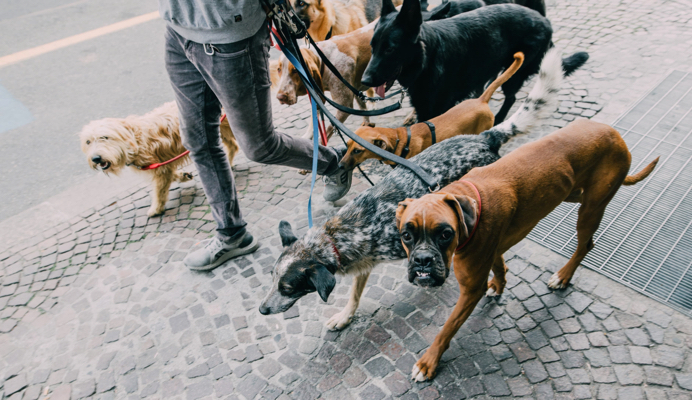

Puppy Training Is Really Human Training, Too
Your puppy is learning every day, whether you mean to teach them or not. They are learning what works, what gets attention, what gives them freedom, and what boundaries exist. Puppy training helps you understand how to guide them clearly. That means learning:- When to give freedom
- When to use the crate
- How to prevent problems
- How to reward good choices
- How to interrupt unwanted behavior
- How to create a routine
- How to build confidence without creating chaos
You do not need to be perfect. You just need a plan.
Get Help With Puppy Training in San Francisco
If you have a new puppy in San Francisco, or in the Bay Area, Koru K9 can help you start off right.
Our puppy training focuses on structure, confidence, obedience, manners, and building habits that actually hold up in real life.
Ready to get help? Explore our San Francisco puppy training programs.Ready to Build a Better Foundation With Your Puppy?
Early training shapes behavior for years to come.
Koru K9 works with dogs and owners across the San Francisco Bay Area, including: San Francisco, Oakland & the East Bay, Marin County & North Bay, Palo Alto & the Peninsula, San Jose & the South Bay, Walnut Creek and surrounding communities
Our professional dog trainers deliver proven, balanced training methods for any dog, any breed, any behavior challenge — from obedience and puppy training to aggression rehabilitation and reactivity issues. We have helped 1000s of dogs and their owners across the country and can help you too. Wherever you are, our expert team is here to help transform your dog and give you lasting results.
FAQs About Puppy Training in San Francisco Bay Area
Puppy training should start as soon as your puppy comes home. Early training can focus on crate training, potty training, structure, confidence, socialization, and basic obedience.
Yes, puppy biting is normal, but it still needs guidance. Puppies need redirection, structure, naps, and boundaries so biting does not become a bigger problem.
Not necessarily. Socialization should be thoughtful and safe. Your puppy does not need to meet every dog or person. They need calm, positive exposure to the world.
Yes. Good puppy training can help prevent issues like leash pulling, jumping, poor impulse control, crate problems, and some forms of reactivity.
Koru K9 works with dogs and owners across the San Francisco Bay Area, including: San Francisco, Oakland & the East Bay, Marin County & North Bay, Palo Alto & the Peninsula, San Jose & the South Bay, Walnut Creek and surrounding communities
