X

Ready for real training?

Whether we’re your first choice or a last resort, Koru K9 will ensure that your canine companion is the perfect addition to your pack.
  • Home
  • Blog
  • Aggressive Dog Training in Seattle: When to Get Professional Help

Aggressive Dog Training in Seattle: When to Get Professional Help

aggressive dog training seattle

Our Newsletter

Sign-up to get the latest news.

This field is for validation purposes and should be left unchanged.

Aggressive Dog Training in Seattle: When to Get Professional Help

Aggression is one of the hardest behavior issues to live with.

Living with an aggressive dog can quietly take over your life. Many owners begin avoiding walks, guests, public places, or situations that feel unpredictable. Over time, the constant management, stress, and vigilance can affect confidence, routines, and the relationship with the dog itself.

It can change everything about your relationship with your dog. You may feel nervous having guests over. Walks may feel risky. You may worry about other dogs, children, delivery drivers, strangers, or even people in your own home.

And if your dog has already bitten, snapped, guarded, lunged, or scared someone, the stress can feel enormous.

Aggressive behavior is not something to brush off and hope it disappears. It needs to be taken seriously, handled responsibly, and addressed with a clear plan.

At Koru K9, our Seattle aggressive dog training is designed for dogs who need more than basic obedience.

Ready to Feel More Confident and In Control With Your Dog?

If your dog’s aggressive behavior has started affecting your daily life, routines, or sense of confidence, Koru K9 can help.

What Counts as Aggressive Behavior?

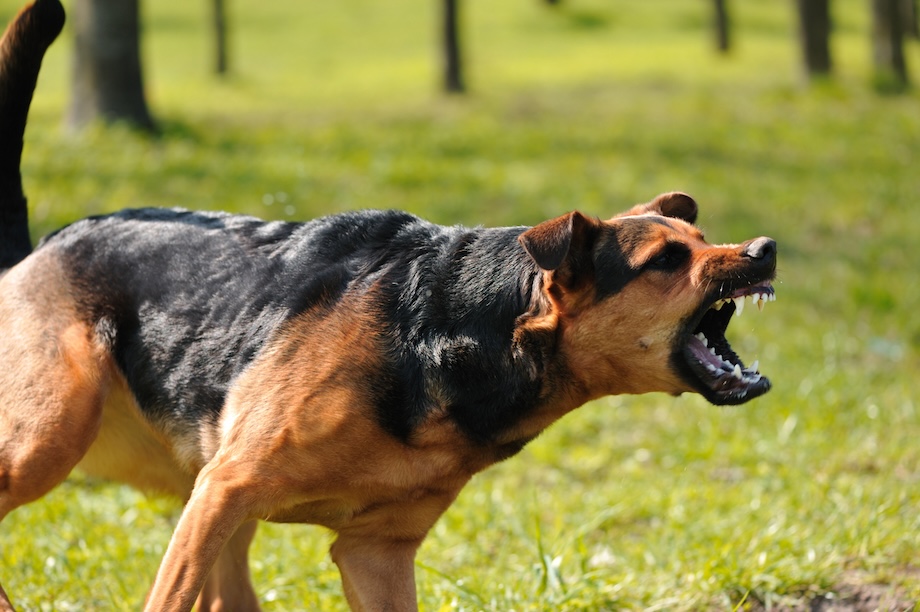
Aggression does not always look like a full bite.

Early warning signs can include:

  • Growling
  • Snapping
  • Lunging
  • Showing teeth
  • Stiffening
  • Hard staring
  • Resource guarding
  • Biting
  • Nipping
  • Charging at people or dogs
  • Barking aggressively at guests
  • Reacting intensely on leash
  • Guarding food, toys, furniture, people, or space

Some dogs show aggression only in specific situations. Others have a broader pattern.

Either way, the behavior deserves attention.

A dog does not need to be “bad” to be dangerous. Even a loving dog can make unsafe choices under stress, fear, pressure, frustration, or conflict.

Common Types of Dog Aggression

Aggression can have different causes and patterns.

Leash Aggression

This may look like barking, lunging, growling, or trying to get to another dog or person while on leash.

Some leash-aggressive dogs are fearful. Some are frustrated. Some have poor impulse control. Some have had bad experiences. Some have learned that big reactions create distance.

Dog-to-Dog Aggression

This may happen on walks, in the home, at parks, or around certain dogs. Dog-to-dog aggression can involve fights, stiff body language, guarding, intense staring, snapping, or escalating conflict.

Human-Directed Aggression

This may involve strangers, guests, children, delivery drivers, groomers, vets, or people in the household. This should always be taken seriously.

Resource Guarding

Resource guarding happens when a dog protects food, toys, bones, beds, furniture, people, or spaces. This can become dangerous quickly, especially in homes with children or other pets.

Fear-Based Aggression

Fearful dogs may use aggression to make scary things go away. These dogs need structure, confidence-building, and careful handling. Simply forcing them into situations can make things worse.

When Should You Get Professional Help?

Get help sooner rather than later.

You should contact a professional trainer if your dog:

  • Has bitten a person or dog
  • Has snapped or attempted to bite
  • Growls when approached
  • Guards food, toys, furniture, or people
  • Lunges aggressively on leash
  • Makes you nervous around guests
  • Cannot be safely handled in normal situations
  • Has escalating behavior
  • Has caused injury
  • Is creating conflict with other dogs in the home

Waiting rarely makes aggression easier.

Every time a dog rehearses aggressive behavior, that pattern can become stronger. The dog learns what works. The owner becomes more anxious. The household starts adapting around the behavior.

That is not sustainable.

Our Seattle Dog Training Programs

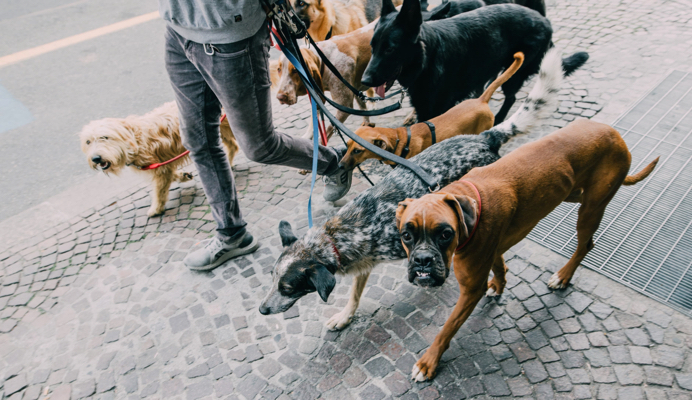
A Man Walking a Group of Dogs on a Leash

Dog Board & Train

Our trainers train your dog in their homes and real-world locations. This is a true “reset” and an excellent option for clients with less time to commit to a behavior modification training program or have a dog(s) with moderate to severe behaviors.

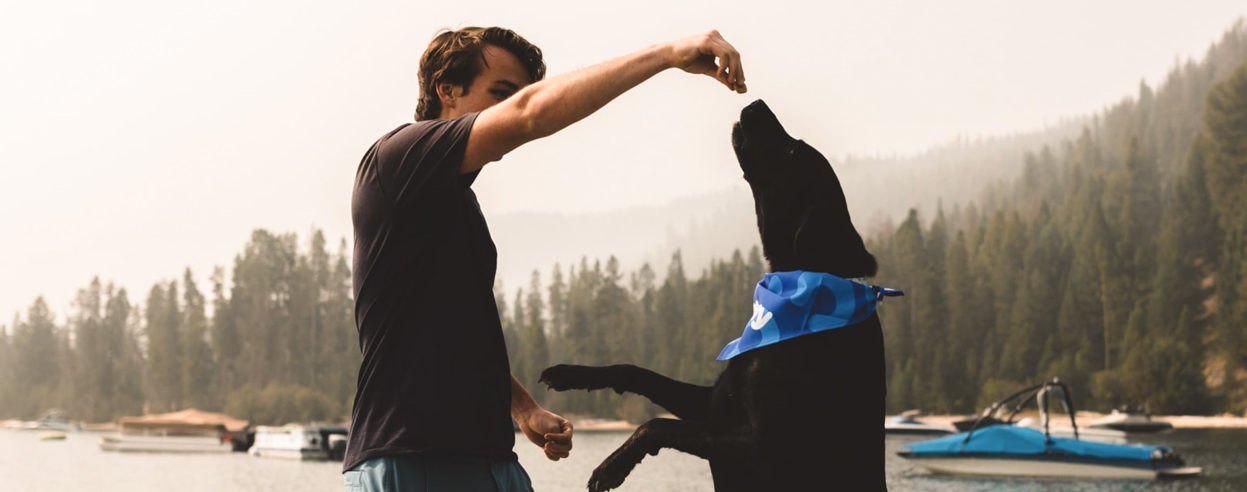
Man Standing By Lake Feeding Black Lab A Treat

Hybrid Training

The best of both worlds! With a combination of both our In-Home and Board & Train programs, this fits any training goal or behavior with a foundational reset, then in-home sessions to incorporate what we have taught your dog into your life.

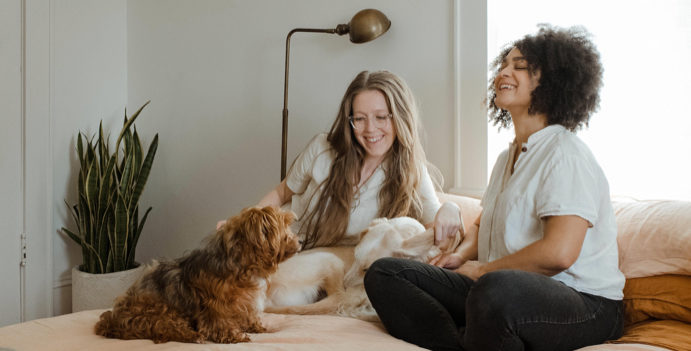
A Couple of Women Sitting on Top of a Bed With Two Dogs

In-Home Private Dog Training

For owners who want to be fully immersed in the process and those whose dogs have lower-level behaviors and/or obedience issues, we teach you how to be a better handler for your dog by training you and your dog in your home and providing you.

Why Basic Obedience Is Not Enough

Obedience is useful, but aggression is not just a command problem.

A dog can know sit, down, and place, and still bite someone who reaches for a toy. A dog can walk nicely in a quiet area and still explode when another dog gets too close.

Aggression training needs to address the whole picture:

  • Safety
  • Management
  • Structure
  • Triggers
  • Thresholds
  • Handling
  • Obedience
  • Household routines
  • Owner behavior
  • Realistic expectations
  • Long-term maintenance

Commands can be part of the plan, but they are not the entire plan.

What Aggressive Dog Training Should Include

A good aggression training plan should be customized to the dog.

Depending on the situation, training may include:

  • Assessment of the behavior
  • Muzzle conditioning
  • Leash handling
  • Place command
  • Crate structure
  • Doorway protocols
  • Resource guarding protocols
  • Controlled exposure
  • Impulse control
  • Owner coaching
  • Safety rules
  • Management plans
  • Follow-up support

The goal is to reduce risk, improve communication, and help the dog become more manageable and safer in daily life.

No responsible trainer should promise that aggression will be completely erased. Dogs are living beings, not machines. But with the right plan, many dogs can make significant progress.

Do Aggressive Dogs Need Board and Train?

We typically recommend it. Koru K9’s Board & Train in Seattle may be helpful when the dog needs immersive structure, professional handling, and consistent daily training.

It may be a good fit if:

  • The owner is overwhelmed
  • The dog needs a reset
  • The dog is unsafe or difficult to manage
  • In-home lessons are not enough
  • The behavior requires more consistent training than the owner can provide alone

However, Board & Train is not a magic button. Owner commitment, consistency, and follow-through are everything.

If your dog comes home and the household returns to the old patterns, the behavior can return.

Safety Comes First

Aggressive dog training should always prioritize safety.

That may include:

  • Using a muzzle
  • Creating separation in the home
  • Avoiding uncontrolled greetings
  • Not allowing random dog interactions
  • Managing guests
  • Using crates, gates, or leashes
  • Avoiding high-risk environments temporarily
  • Supervising interactions
  • Following trainer instructions closely

This is not about punishment or shame. It is about responsibility.

If your dog has shown aggression, you owe it to your dog and the people around you to take the behavior seriously.

The Owner’s Role Matters

Aggression training requires owner involvement.

Your trainer can build skills, structure, and a plan, but you need to maintain it.

That may mean changing routines, setting boundaries, using tools correctly, managing situations differently, and learning to read your dog before behavior escalates.

The good news? You do not need to figure it out alone.

Koru K9 works with owners so they understand what to do after training, not just during training.

Aggression Does Not Mean Your Dog Is Hopeless

A lot of owners feel shame when their dog shows aggression.

They worry people will judge them. They worry their dog is a lost cause. They worry they have failed.

Aggression is serious, but it does not automatically mean there is no path forward.

It means your dog needs help. And you need a plan.

At Koru K9, we work with any dog, any breed, any problem. Our Seattle trainers help dogs struggling with aggression, reactivity, fear, anxiety, and behavior issues that require more than basic obedience.

If your dog is showing aggressive behavior in Seattle, Tacoma, Bellevue, Everett, Olympia, or surrounding areas, start with a consultation.

Ready to get help for your aggressive dog? Explore our Seattle aggressive dog training or learn more about our Seattle Board & Train program.

Ready to Make Life Easier With Your Dog?

Real-world training for real-life behavior challenges. 

Koru K9 helps dogs and owners across Seattle, Tacoma, Bellevue, Everett, Olympia, and surrounding areas build calmer, safer, and more reliable behavior through practical, relationship-focused training.

Our professional dog trainers deliver proven, balanced training methods for any dog, any breed, any behavior challenge — from obedience and puppy training to aggression rehabilitation and reactivity issues. We have helped 1000s of dogs and their owners across the country and can help you too. Wherever you are, our expert team is here to help transform your dog and give you lasting results.

FAQs About Aggressive Dog Training in Seattle

Can an aggressive dog be trained?

Many aggressive dogs can improve with the right training, structure, management, and owner follow-through. The goal is safer, more manageable behavior, not unrealistic promises.

What should I do if my dog has bitten someone?

Take it seriously. Manage your dog safely, avoid situations where another bite could happen, and contact a professional trainer experienced with aggression.

Is aggression always caused by dominance?

No. Aggression can be caused by fear, insecurity, frustration, guarding, genetics, lack of structure, previous experiences, pain, or other factors.

Should I punish my dog for growling?

Growling is communication. Punishing the warning without addressing the reason behind it can be risky. You need to understand what is causing the behavior and work with a professional plan.

Do you help with resource guarding?

Yes. Koru K9 works with dogs who guard food, toys, furniture, people, spaces, and other resources.

author avatar
Website Pawtal

Like this post?

Share

Know someone who would like this content?
Send this post to them or share it to your feed.