Start With Structure
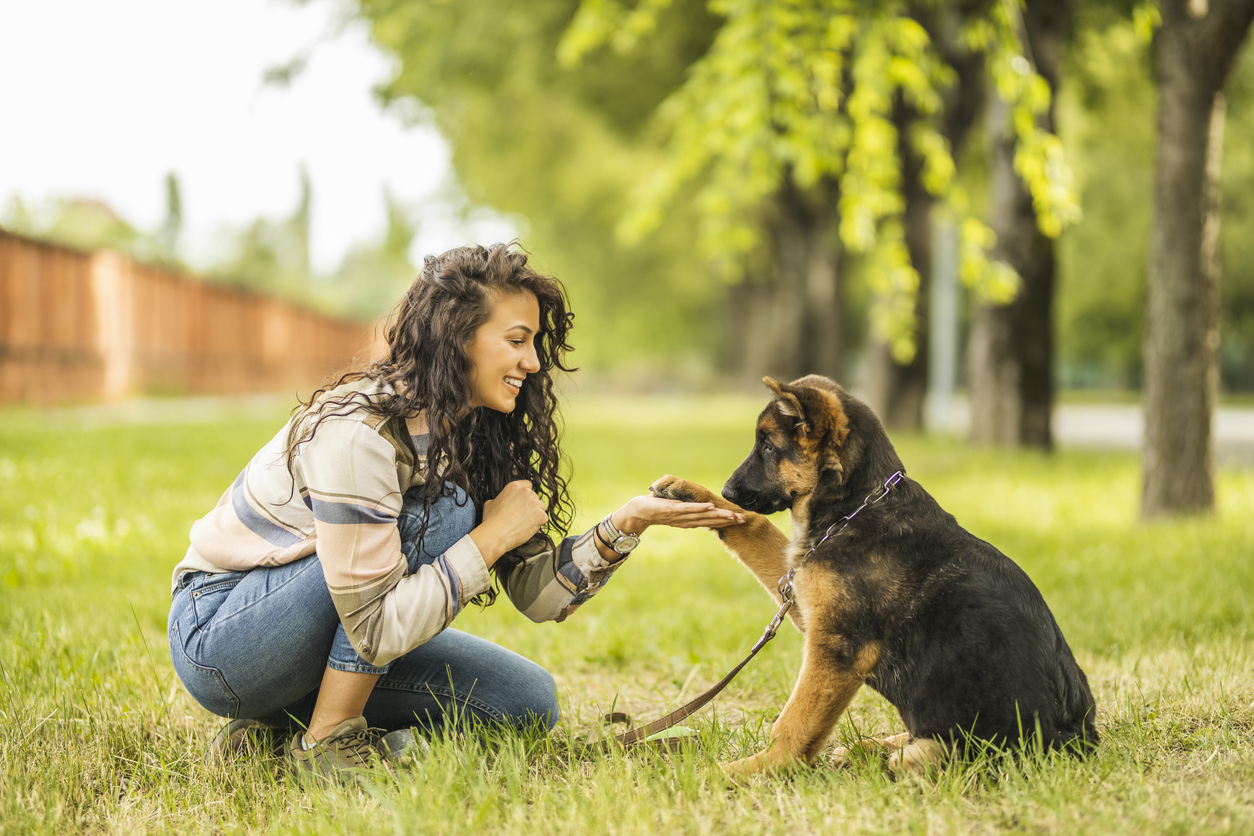
Bringing home a puppy is exciting, but it can also feel overwhelming fast. Between potty training, biting, barking, lack of sleep, and constant supervision, many owners quickly realize how important early structure and guidance really are.
Puppies do best with structure. That does not mean being harsh. It means creating a predictable routine so your puppy understands what happens next, what is expected, and how to exist calmly in your home.
Structure helps with:
- Potty training
- Crate training
- Biting
- Chewing
- Jumping
- Overstimulation
- Napping
- Feeding
- Leash skills
- Confidence
- Boundaries
A puppy with no structure will create their own entertainment. And usually, their entertainment is expensive.
Shoes. Rugs. Baseboards. Human flesh. The classics.
Crate Training
Crate training is one of the most useful skills you can teach your puppy.
A crate gives your puppy a safe place to rest, helps with potty training, prevents destructive behavior, and teaches your puppy how to settle.
The crate should not be used as punishment. It should be part of your puppy’s normal routine.
A good crate routine includes:
- Short, positive crate sessions
- Feeding meals in or near the crate
- Calm crate time during the day
- Crate naps
- A consistent bedtime routine
- Taking the puppy out immediately after crate time
- Avoiding too much freedom too soon
Many puppy problems are actually overtired puppy problems. Puppies need a lot of sleep. When they do not get it, they often turn into little gremlins with teeth.
Potty Training
Potty training is about supervision, routine, and timing.
Your puppy should go out:
- First thing in the morning
- After eating
- After drinking
- After playing
- After waking up
- After crate time
- Before bed
- Frequently throughout the day
Do not give your puppy full access to the house before they are reliable. Too much freedom too soon is one of the biggest reasons potty training drags on.
Use crates, gates, leashes, and supervision to prevent accidents instead of constantly reacting after they happen.
Puppy Biting
Puppy biting is normal, but that does not mean you should ignore it.
Puppies bite because they are teething, exploring, playing, overstimulated, overtired, or trying to interact. But if biting is allowed to become a daily free-for-all, it can get worse.
Help your puppy by:
- Redirecting to appropriate toys
- Interrupting wild biting
- Teaching calm handling
- Using crate naps
- Avoiding rough play that creates chaos
- Giving structure instead of endless freedom
- Teaching boundaries early
If your puppy gets bitey every evening, they may not need more play. They may need a nap.
Tiny chaos goblin has simply reached the end of business hours.
Socialization
Socialization is not just letting your puppy meet every dog and person they see.
Good socialization means helping your puppy experience the world in a calm, safe, structured way.
Your puppy should learn to be neutral around:
- Dogs
- People
- Children
- Cars
- Bikes
- Sounds
- Surfaces
- Grooming tools
- Vet handling
- Crates
- Leashes
- New environments
In a city like Seattle, puppies need to learn how to handle real-life stimulation: sidewalks, traffic, rain, elevators, apartment buildings, patios, parks, and other dogs.
But more exposure is not always better. Bad exposure can create fear or reactivity.
The goal is not for your puppy to meet everything. The goal is for your puppy to learn how to move through the world calmly.
Leash Skills
Start leash training early.
Your puppy does not need to go on long walks right away, but they should begin learning that the leash matters.
Early leash training can include:
- Wearing a collar or harness calmly
- Following light leash guidance
- Not biting the leash
- Walking near you
- Checking in
- Moving with you
- Not dragging you toward everything they want
A tiny puppy pulling on leash may seem harmless. But that tiny puppy may become a 75-pound adult dog with opinions.
Teach leash manners before pulling becomes a full-time hobby.
Name Recognition and Recall
Your puppy should learn that their name matters.
Practice saying your puppy’s name and rewarding attention. Then build a basic recall with cheerful, consistent repetition.
Early recall work should be easy and fun. Do not call your puppy only when something bad is about to happen, like bath time or the end of play.
Make coming to you worth it.
Place and Calm Skills
Most people teach puppies how to get excited. Fewer people teach puppies how to be calm.
Calm is a skill.
Teaching place, crate settling, and structured downtime helps your puppy learn that they do not need to be involved in every single thing happening in the house.
This is especially important for puppies who are busy, mouthy, pushy, anxious, or easily overstimulated.
Do Not Wait for Problems to Get Bigger
A lot of owners wait until puppy behavior becomes unbearable before getting help.
But early training is much easier than undoing months of bad habits.
Professional puppy training can help with:
- Crate training
- Potty training
- Biting
- Jumping
- Leash skills
- Basic obedience
- Socialization
- Confidence
- Household structure
- Preventing future behavior issues
The earlier you build the foundation, the better.